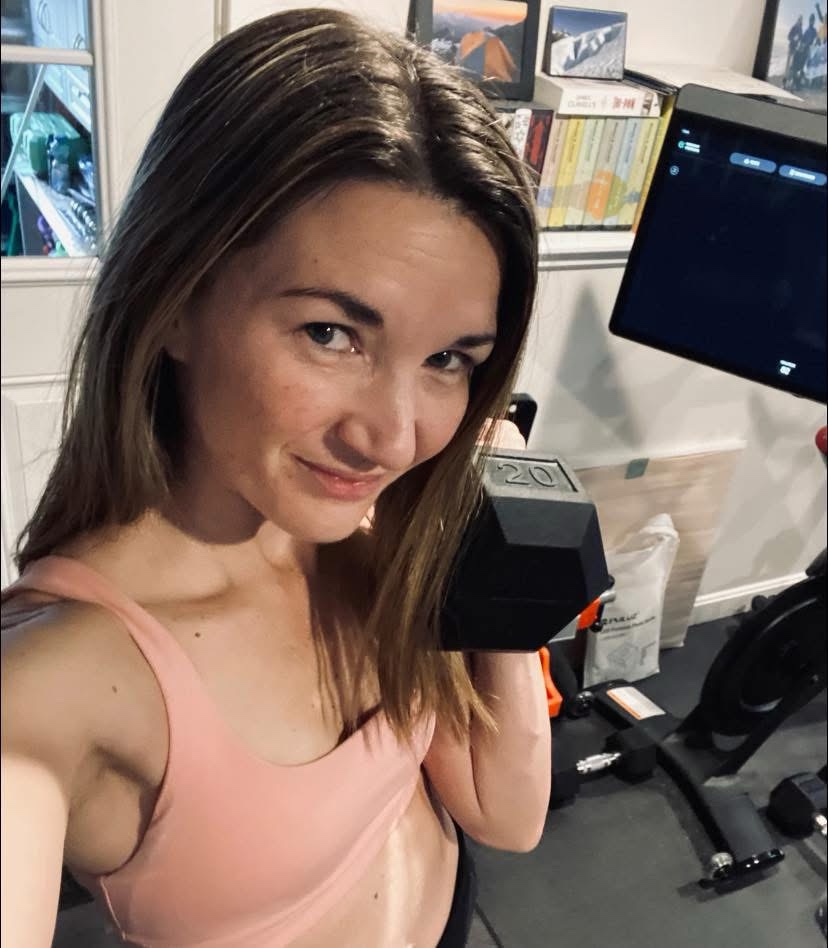
This one’s for you, ladies!!!

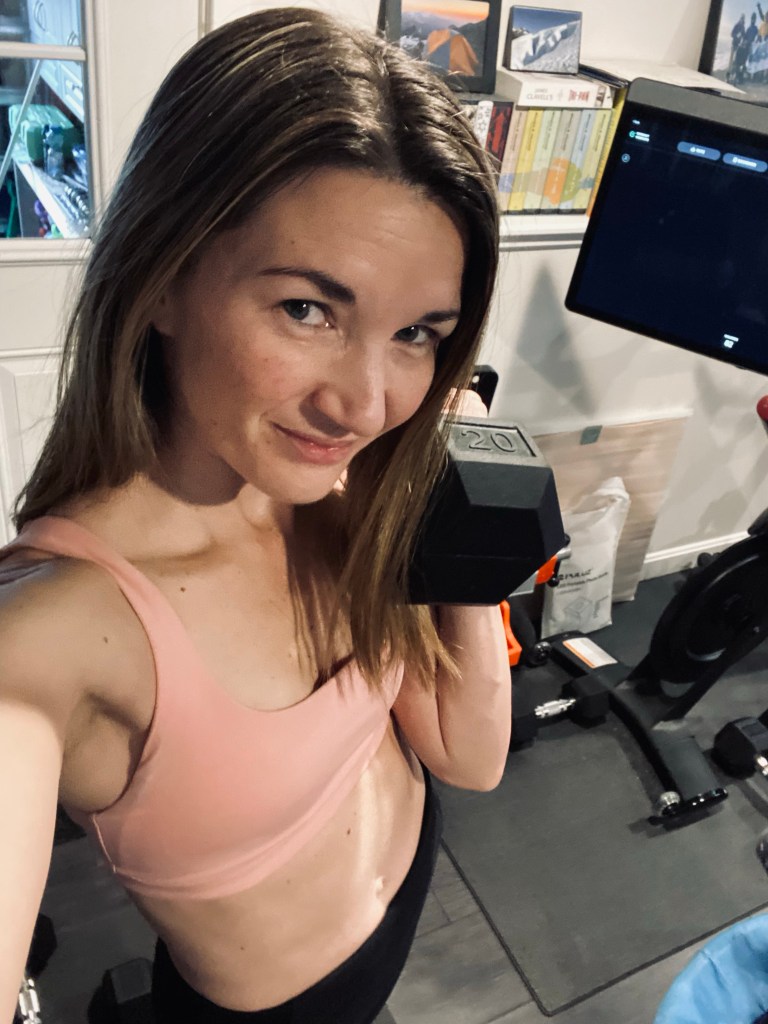
How bout this?? We get to get STRONGER every decade 💪💪💪

Long post, but if you or anyone you love is just feeling “off”, this is worth the read!

This past weekend, I attended a conference where there was a huge focus on women’s health and the lack of research that has been done over the years. As a woman in my early 40s, I’m really starting to feel the effects of hormone changes, and I’m watching many of my friends, family and clients go through the beginning stages of perimenopause and menopause. And having worked with clients navigating this stage of life over several years, I’ve learned so much and am excited to share some of the important research being done.

But first, let’s talk about some (crazy) facts:
😡women were excluded from clinical trials until the 1990s. Like, what the actual…???
😳 Only 8.8% of funding from the NIH goes to women’s health.
🤦🏻‍♀️For many, many years, women were labeled as hysterical when talking about the symptoms they were experiencing at certain stages of life, and hysterectomies were actually performed to help women “calm down” in the past.
👎Currently, only 25% of clinical trials today include women, and less than 20% of OBGYNs are trained in menopause. Less than 7% of internal medicine doctors get trained in menopause.

And yet…
❤️many women, age 35 and up, are in perimenopause
❤️women spend 40% of their life in perimenopause!
❤️and it is this optimal time, the most important time of life, to take care of our health.

Why??
✅ During perimenopause and beyond, we start to see a huge increase in cardiovascular risk factors. Heart disease is the leading cause of death for women and much of this has to do with the decrease of estrogen that we experience. ✅Perimenopause lasts, on average, 2 to 10 years.

Common symptoms of perimenopause:
-vasomotor (like hot flashes and night sweats)
-sleep disturbances
-joint and muscle pain
-genitourinary symptoms
-weight gain
-anxiety
-Increase in visceral fat (the dangerous kind around our organs)
-Increases in cholesterol and triglycerides
-Decrease in HDL cholesterol
-increased risk of type 2 diabetes, osteoporosis and cognitive decline

So it is so important that we start talking about what we can do in our 30s and beyond to prevent some of these risk factors. Because we CAN do SO MUCH!!!

So where do we start???

✨ It’s really important that women are getting a comprehensive blood panel done in perimenopause and beyond, including LPa and APOB markers. Ask your doctor for this!
✨You’re going to want to optimize your body composition to decrease pain, decrease vasomotor symptoms, and protect your heart.
✨And then we’re going to talk about things that you can do every day through nutrition. This is the area that I love to talk about:

  1. Number one is protein pacing. You’re going to bookend your day with protein. I do like to use a protein shake in the morning and something called a tri-release protein at night. That’s super important because it’s low in sugar, low in carbs, and high in protein, which is important to do before bed.
  2. You’re going to make sure you’re using clean forms of protein. I could talk about this all day. Super important that we’re not using things with artificial sweeteners, artificial colors, excess sugars, et cetera.
  3. Adaptogens to help mitigate your hormone spikes. They can also help with sleep, stress and mood
  4. And then a supplement called Harmonia, which can be used alongside HRT (when that’s indicated).
  5. You’re going to use creatine, which is so important for our brain health, bone health, and muscle health (all things that start to decline in our late 30s)
  6. And you’re going to hydrate!! 🥥🥤love using electrolytes. It just helps your cells absorb water better.
  7. Lastly- do not forget the importance of strength training. Gone are the days of hours of cardio, under eating and skipping the weights 💪💪💪

Let’s not wait till we start experiencing severe symptoms to act on this!! I am offering 20% off my “women’s wellness pack” this week to celebrate the fact that women’s health is being talked about more and the fact that we have solutions that empower us to take charge of our health and prevent some of the symptoms that older generations have had to go through.

So please reach out. I will send you a link for 20% off your women’s wellness bundle. I’ll share recipes and grocery lists, share customized tips with you, and will throw in some workouts for you too.

Let’s do this, ladies!! To our health! ❤️💪🌻.

Grab your pack here:
https://www.isagenix.com/share/4LDSSE7

But How Do I Get Rid of This??

If I had a dollar…

For every time a client asked me “but how do I get rid of my belly?”

Well, first – I always like to remind people that health looks so different on everyone. And if you’re working with me, I really hope your primary goal is HEALTH.

But, 20 years of training/coaching clients, and the question still comes up all.the.time.

20 years later, and my answer remains the same:

Abs are made in the kitchen. Truly. It’s true. I promise.

80% of our efforts for achieving body composition goals should be focused on what we’re putting in our bodies. My secrets are protein pacing, significantly decreasing processed foods and eating more veggies. Like, 5-7 servings per day. These strategies will keep you full, keep things moving, help you build muscle and give you more sustained energy. The system I use incorporates high quality protein, organic greens and undenatured, well tested supplements to help me meet these goals. Message me if you want to give it a try for 30 days, risk free…

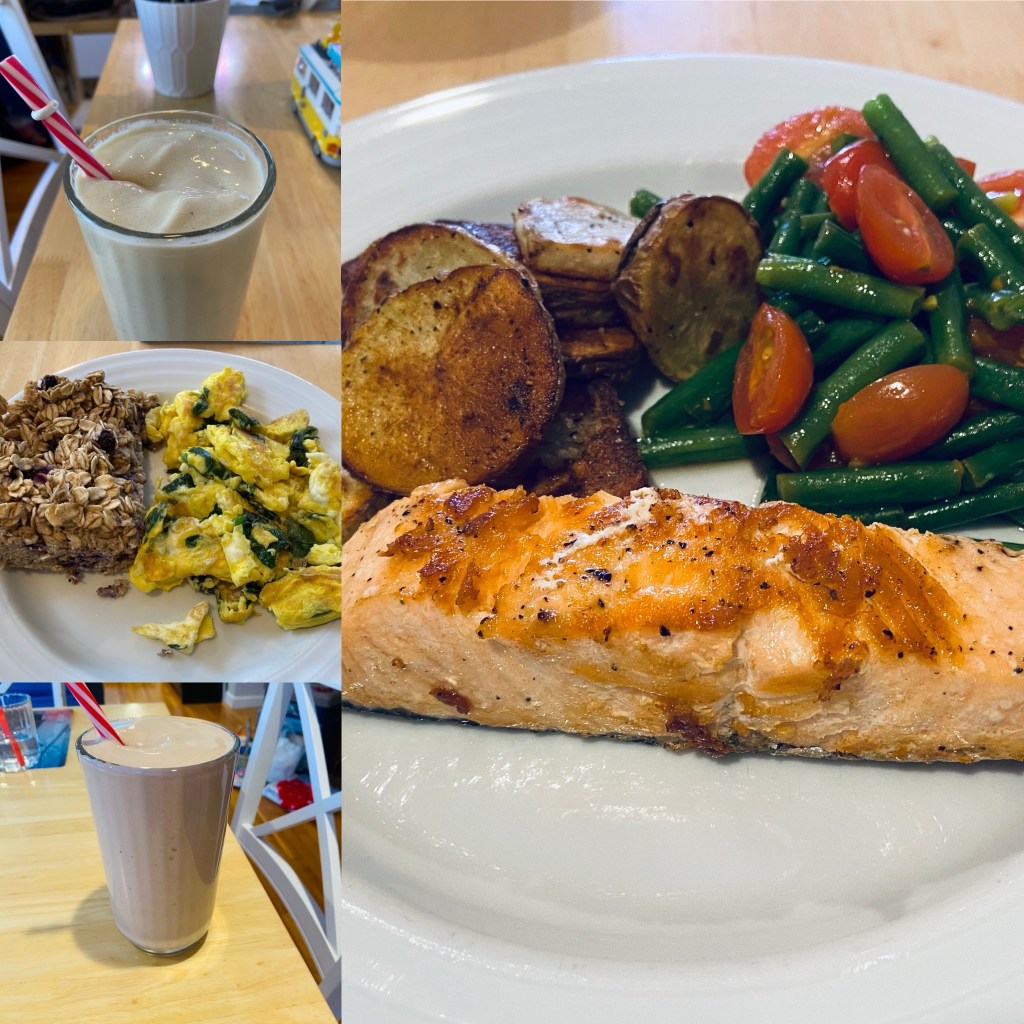
A day in the protein pacing life…never about deprivation over here!!

Next, I recommend strength training. I know…I went through all those phases in life where I tried to run, ride, row it all away. I don’t recommend. Cardio is SO important for health, but when it comes to building lean muscle (which we want to do to help burn more calories overall), we need to lift. We need to lift often. And we need to lift heavy enough with progressive loading over time. I can’t recommend enough the benefits of proper deadlifting, squating and heavy upper body lifting, but make sure your form is solid and you build up appropriately. If you want to know what this means, reach out!

Lift correctly, lift often, lift heavy- and your abs will work harder than you realize

Now let’s talk about stress and sleep. I’ll often ask clients how many hours of restful sleep they’re getting a night. Less than 7? This could definitely contribute to belly fat. Excess stress does the exact same thing, as the stress hormone cortisol contributes to weight around the belly that can be stubborn and hard to release. For this, I recommend daily walks (nature plus movement plus sunlight is a powerful combo), meditation/gratitude journaling/yoga and adaptogens.

Powerful morning combo: gratitude + adaptogens

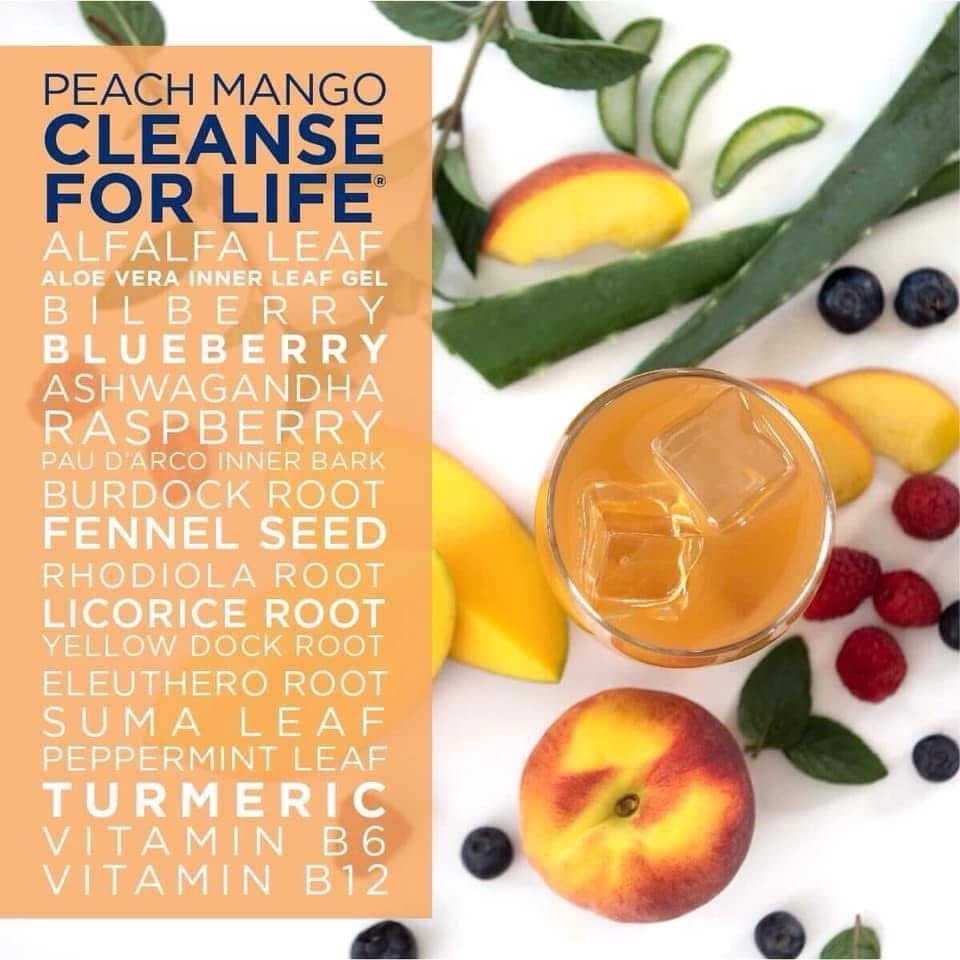
You’ve heard me talk about cellular cleansing before. For good reason. This supported intermittent fast releases toxins, which tend to reside in fat cells in our bodies. It also lowers overall inflammation, and who doesn’t want that? This is a gentle cellular cleanse, it will not have you living in a bathroom, it improves energy and mental clarity and it includes yummy snacks you get to munch on while your body is doing the hard work of detoxing. Pretty great, right??!!

I know. It seems too good to be true. Best.detox. Ever 🙌🏼

Ok, ok…I guess we can talk about ab exercises now. Trust me, I did used to be that girl that did 1,000 crunches a day and I am here to tell you that it was pretty much a waste of my time. I do like tacking on a quick 5 minute ab workout to my workout routine 2 days a week maybe, but it’s really not a focus of my exercise these days. That being said, when I’m choosing ab exercises for myself and my clients, I choose wisely. Functional movements are my fave – rotation, woodchops, that sort of thing. I also have a solid appreciation for pelvic floor conditions and diastasis recti that so many of my postpartum mamas (including myself) have had – so I’m also hesitant to recommend full sit ups, constant flexion and excessive forward planks without real attention to what’s happening in the abdominal region. But, some of my faves that are safe for most everyone:

Side plank variations (side plank hold, leg lifts in side plank, “thread the needle”, side plank crunches…)

Oblique work (oblique v ups are a fave, but check with a pelvic floor PT first if you have any of the conditions mentioned above)

Russian twists (with or without weights and I prefer to keep my feet on the floor to ensure good form and muscle activation)

Ok, so there you have it. Tried and true advice that has worked for my clients and myself over the last 20 years, and that I expect will work for many more years. If I hear of anything revolutionary, I’ll let ya know. But in the meantime, lay off the 10,000 hours of ab work, focus on what’s going in your body and try one new nutrition, strength training or stress management/sleep strategy at a time.

Let us know what works for you or what you’re trying. And let’s all collectively agree to leave spot training in the far, far away past…

To your wellness,

~Jess

Let’s Talk About Training and Your Cycle

Anyone who knows me as a client or friend knows I’m a lover of strength training. It’s gotten me out of the old school (and sometimes destructive) mentality of “how many calories can I burn on this cardio equipment?” that took up wayyyy to much space in my brain in my college days and early twenties. It’s also been the vehicle I’ve used for myself and for my clients to maintain a healthy body composition, better regulate hormones and provide numerous neuromuscular benefits. I love helping men and women get stronger, more confident and healthier through resistance training, but there is quite a bit of science behind the method.


Let’s start with this: men and women are not the same.


Can they both achieve amazing benefits from strength training? That’s a resounding YES.


Should they always go about it the same way? That’s a PROBABLY NOT


Let’s talk about some of the key differences ⬇️⬇️


For one, women and men have different proportions of each type of muscle fiber. While men have a greater proportion of Type 2 muscle fibers, women have more Type 1. Type 1 fibers are the “slow twitch” kind, lending to better endurance (versus an easier time with explosive type movements).


Next, women tend to have more fat than men, and they are better at using fat for energy during exercise. This is one of the reasons we are more resistant to fatigue. Women also are more sensitive to insulin and are better able to take up glucose.


Then there’s the whole thing about our menstrual cycles. In my experience, this is the easiest thing for clients to not notice or downplay, often feeling guilty for or not understanding why they may be experiencing lower energy or motivation to workout at times. Here’s how exercise can be impacted during each phase of our cycle and some ideas for how to workout (strength, cardio and flexibility) in each phase ⬇️


Menstrual Days: Days 1-5 (typically- all of this is “typically”). Strength training may feel difficult, but can typically be done at a moderate intensity. Ideas: strength circuit with moderate weights and more repetition.

Follicular Days: Days 1-13. Estrogen is at its peak, leading to improved mood, strength and energy. Ideas: HIIT workouts, heavier strength training.

Ovulation: Day 14. Symptoms can vary from person to person and month to month. Ideas: Take a rest day or try light cardio, walking or some yoga.

Luteal Phase: Days 15-28. This is the fun time, am I right, ladies? Ugh. Hormonal changes can cause increased body temperature, mood changes and an increase in metabolic rate. Ideas: lighter, longer duration cardio, long walks, moderate strength training.

I’m writing this article with such respect for all my female clients and the crazy things we have to go through on a regular basis. I’m also writing with the utmost respect for times when a client tells me that they just don’t think they can get through a workout some days. I’m also hoping this helps some of us better understand why the same workout can feel so amazing one day and sooo impossible another day. Let’s all remember to give ourselves grace during these times and permission to opt for the long walk or yoga workout when we need it.


Movement is medicine and it will always help us feel better! Just remember, the type of movement may need to change week to week. Kudos to you for showing up to each and every workout- no matter the duration, type or intensity!


I hope this info was helpful! Contact me anytime for other wellness and training topics you’d like to see addressed.


To your health,

~Jess

When the Trainer Needs a Trainer…


Guys, I turned 40 last week and it would have all been fine and what not if I hadn’t JUST thrown my back out. Like, really thrown my back out…


I’ve been training clients with back pain since day one of my career and I’ve learned alot about what to do, what to avoid, etc…But this experience was truly humbling…after barely being able to move for the first three days post injury, I really had to scale back with workouts for a bit. Which, for someone with a bit of a hardcore/type A personality, was a *bit* HARD.


But alas, I’m writing to you pain free and feeling strong. I came out on the other side of a back injury and you can too. Along the way, I really relied on my twenty years of experience as both a trainer and Occupational Therapist- let’s just say this experience offered a good “refresher” course…let’s discuss ⬇️⬇️


🛏 When dealing with an acute injury, it’s so key to rely on good body mechanics and energy conservation. Log roll out of bed, bend with your knees and use your core for, like, everything. Position items you use daily at torso level, avoid excessive bending/twisting/rotation and plan your activities to eliminate excessive movement with your pain is at its worst.
🚶‍♂️🚶🏻‍♀️That being said, MOVEMENT IS MEDICINE. A sedentary day rarely does more good than harm- our bodies NEED to move! Blood flows circulation improves, pain decreases…and so much more happens when we move. I started with walking, gradually increasing my distance over the week post injury. And I walked several times a day…it really got easier with each subsequent walk.
💊 Manage pain. Now, you guys know that I am not a fan of most pharmaceuticals in the long term, but I know there’s a time and place for using them. I personally decided to manage my back pain without any over the counter meds or prescriptions, but everyone has to make that decision for themselves. Regardless of whether you decide to use meds or not, DO NOT forget about other pain management modalities. For muscular pain like mine, I find heating pads, gentle stretching, hot showers, cbd and adaptogens to be powerful tools. That, and remembering that pain is, in this case, temporary. Ooh- and let’s not forget about the power of breath work and meditation 🧘🏻‍♀️🧘
🏋🏻‍♀️🏋️‍♂️ When ready, progress workouts carefully. Post back injury, I have found it’s very helpful to start with the core- pelvic floor work, then adding in yoga, followed by Pilates. We’ll often need to modify some moves (and which ones to modify can vary friending on the injury), but it doesn’t mean an entire workout is off limits. Next, I started to add in bodyweight resistance training, light cardio and, finally, strength training with weights. I reminded myself often that I was not going to lose all of my strength gains in a few weeks and that building back slowly was wise. In other words, I had to listen to trainer Jess, not my inner dialogue. 🤷🏻‍♀️If you’re not sure how to return to exercise post injury, it’s very wise to find a trainer with experience in rehabilitation to guide you.
💦Hydrate. Then hydrate more! Hydration is critical for reducing pain and increasing joint mobility. Once a day, I added my fave watermelon electrolyte powder to my water bottle and I drank atleast half my bodyweight in ounces per day. It helped 🙌🏼
Now, could I have done without this injury? Yeah, that would have been nice. BUT, I am one of those people who believes things do truly happen for a reason and I came out of this injury with renewed perspective and empathy for all of my clients with pain conditions and with a good refresher of stretches and exercises that are both protective and productive for the back 💪
If you have tips for post injury training, I’d love to hear your thoughts as well ⬇️⬇️
Stay strong and healthy, friends!!
~Jess

Healthy Hydration…

Yes

Ok, so yesterday felt like Spring in Boston and I am here for it! 🌸🌼☀️

With the warmer weather on its way, I can’t help but noticing so many more people out and about running, biking, playing sports. The trainer in me loves this season- when we all crawl out from under the winter hibernation and start reaching for our health goals again, start spending more time outdoors, start MOVING as our bodies have been craving for months.

Simultaneously, I am noticing the marketing for “sports drinks” more and more these days. I see kids and adults walking around with many very popular electrolyte brands. Having concerns about some of the ingredients in these drinks, I decided to do some investigating at the grocery stores this week.

I’ll leave out names, because I’m not a fan of putting any company down, but there’s a very popular “sports drink” that came out recently (in the last few years) that has some benefits. Some forms of this super popular drink include branch chain amino acids- GREAT for muscle repair after workouts. This brand also has less sugar than the other popular sports drink that’s been around for decades. So that’s good 👌

However, this brand also carries some beverages that have a high amount of caffeine- so kids and teenagers should be very careful. Adults too- especially if they already drink other forms of caffeine or are drinking these later in the day.
Also, I have some definite concerns about artificial sweeteners and the reason many of these drinks are lower in sugar is because they contain artificial sweeteners. You can do your own research on these, but I’m personally concerned between the relationship between these ingredients and very significant chronic health conditions and dis-eases. Just an automatic no for my family- especially when there are better options out there!!

I have equally concerning thoughts about artificial colors. There are ways to color foods and drinks naturally, so if you see Red #40 or something similar in a product, you’d be doing your body a huge favor by putting it back on the shelf!!

Almost every other brand I found on store selves included some form of artificial sweeteners or TONS of sugar. One brand lists sugar as the first ingredient and had 12 grams of added sugar. Like, what?!!?

Sooooo…what do I hydrate with instead and give to my kids???

First- water is great! Some people don’t need electrolytes with every workout, but our cells do absorb water better with them, so…
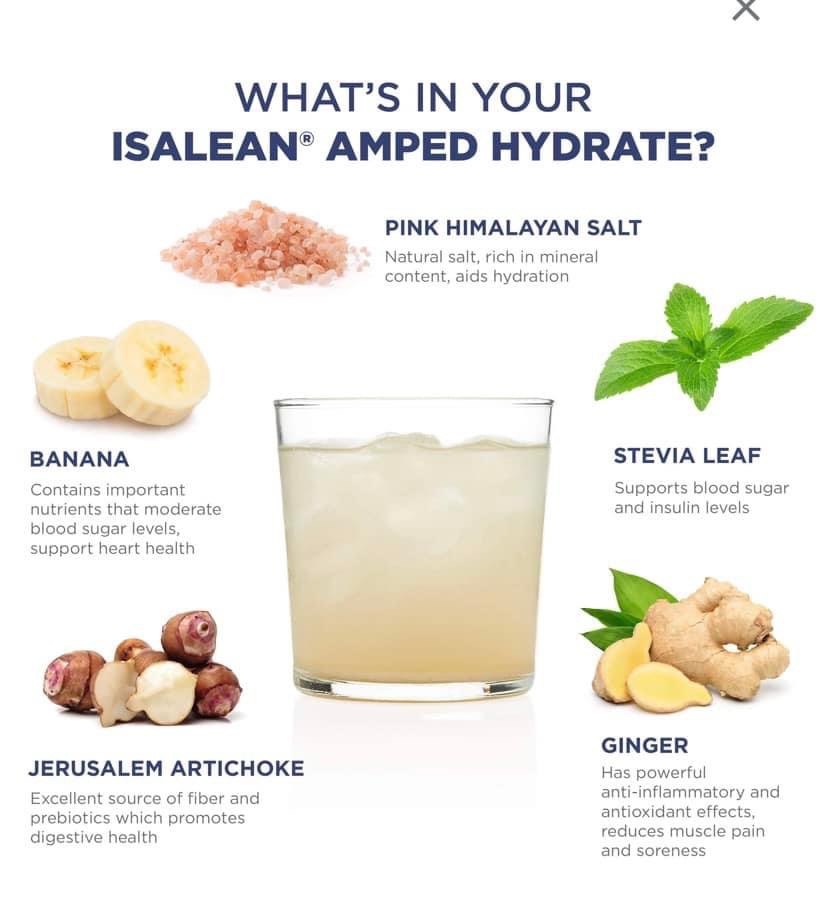
AMPED HYDRATE is what we use- here’s why:

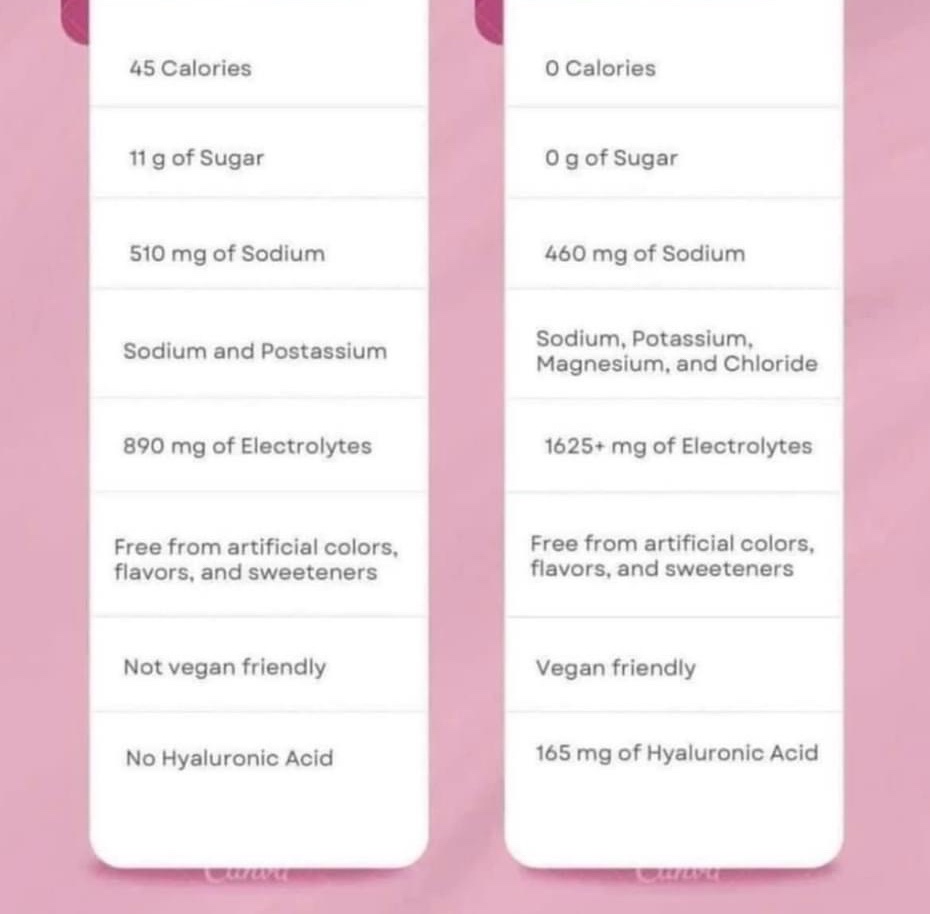
Didn’t wanna name any names- leading store brand on the left/ my hydration choice on the right

💫Adults’ bodies are 60% water, and kids’ are 70%, so it’s important to hydrate and replenish with beverages that don’t have excess calories and sugar. 💦
💫It provides FUNCTIONAL ingredients that contribute to the daily intake of important vitamins and minerals
💫It also contains Antioxidant vitamin C, vitamin B complex, zinc and super fruits.
Amped hydrate contains: * 10-15 calories.* 0 g sugar.* Superfruit electrolyte blend.* Vitamin C.* Vitamin B complex.* Zinc.* natural ingredients. No artificial flavors, colors, or sweeteners!! Can I just emphasize this one again, friends?!!
For us, it’s a huge win!!!

Share what clean energy you’re fueling yourself with these days. And, if you’re ready to switch to a cleaner brand, message me for a 25% discount off resale pricing 🤗🤗

Cheers to Spring, movement and healthy hydration for our bodies!!

To your health,

~Jess