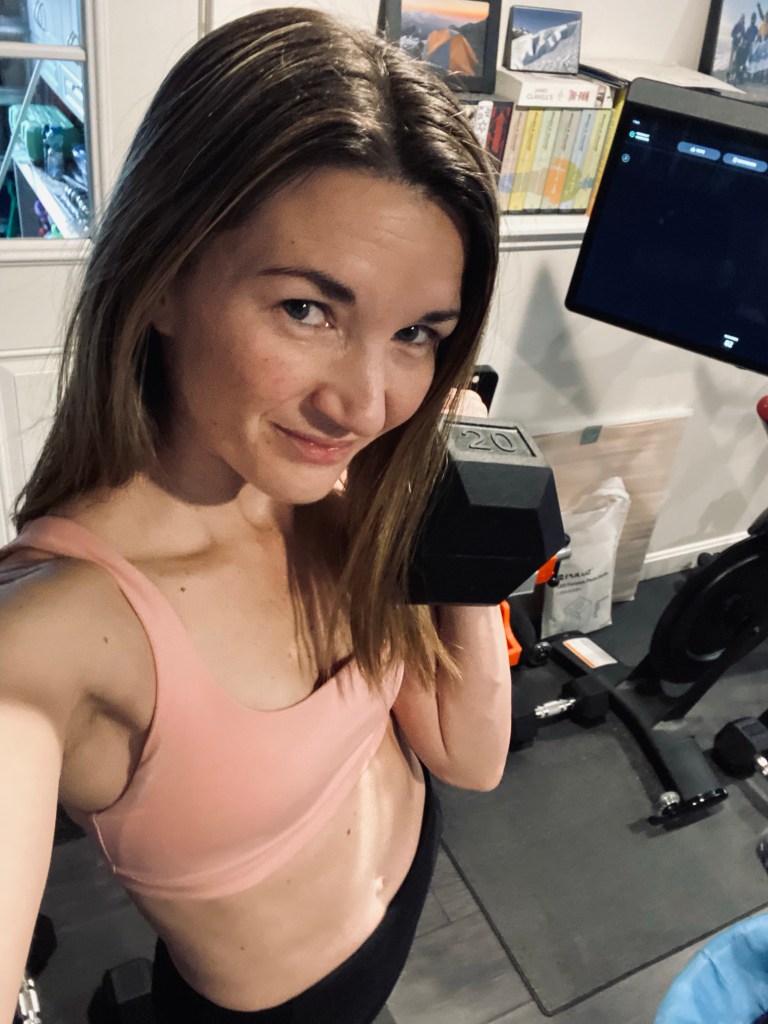
Rethinking Exercise in Perimenopause

May be an image of text

If you’re in perimenopause, you may have noticed that the way your body responds to exercise isn’t quite the same as it used to.

And one of the biggest shifts I encourage women to consider is this:

👉 You don’t have to make every workout HARD to make it EFFECTIVE.

For years, many women have been taught that more sweat + more intensity = better results.

But during perimenopause, a well-rounded approach to exercise can be much more supportive than doing high-intensity workouts day after day.

✨ Think LESS “go harder” and MORE “train smarter.” ✨

Here are three types of movement I love emphasizing:

🏋️‍♀️ STRENGTH TRAINING

Muscle becomes especially important as we move through midlife. Strength training helps support muscle mass, bone health, strength, metabolism and everyday function.

🚶‍♀️ ZONE 2 CARDIO

Think brisk walking, cycling, hiking or another activity where you can sustain a steady effort and still carry on a conversation. Zone 2 work can build aerobic fitness without making every cardio session a maximal effort.

🔥 HIGH-INTENSITY TRAINING

You don’t have to eliminate HIIT! Short bouts of higher-intensity exercise can absolutely have a place in your routine. The key is that it’s ONE piece of the puzzle—not the entire puzzle.

And perhaps most importantly…

💚 RECOVERY COUNTS.

Your body still needs rest, adequate nutrition, supplementation, sleep and lower-intensity movement to adapt to the training you’re doing.

A balanced week might look more like:

✔️ 3 strength sessions

✔️ 2–3 Zone 2 cardio sessions

✔️ 1–2 shorter HIIT sessions, depending on your fitness level and recovery

✔️ Plenty of walking, mobility and everyday movement

✔️ At least some true recovery time

Perimenopause isn’t a time to stop challenging your body.

It’s a time to become more intentional about HOW you challenge it. 💪🏼

And remember: your ideal exercise routine is going to depend on your fitness level, goals, health, sleep, stress and how your body is responding.

✨ Train for longevity. Train for strength. Train for energy. Train for the woman you want to be in the next decades—not just the body you want today. ✨

What type of movement has been making you feel your BEST lately? 👇🏼

#Perimenopause#PerimenopauseFitness#WomensHealth#MidlifeFitness#StrengthTraining#Zone2#HealthyAging#TrainSmarter#WomenInMidlife
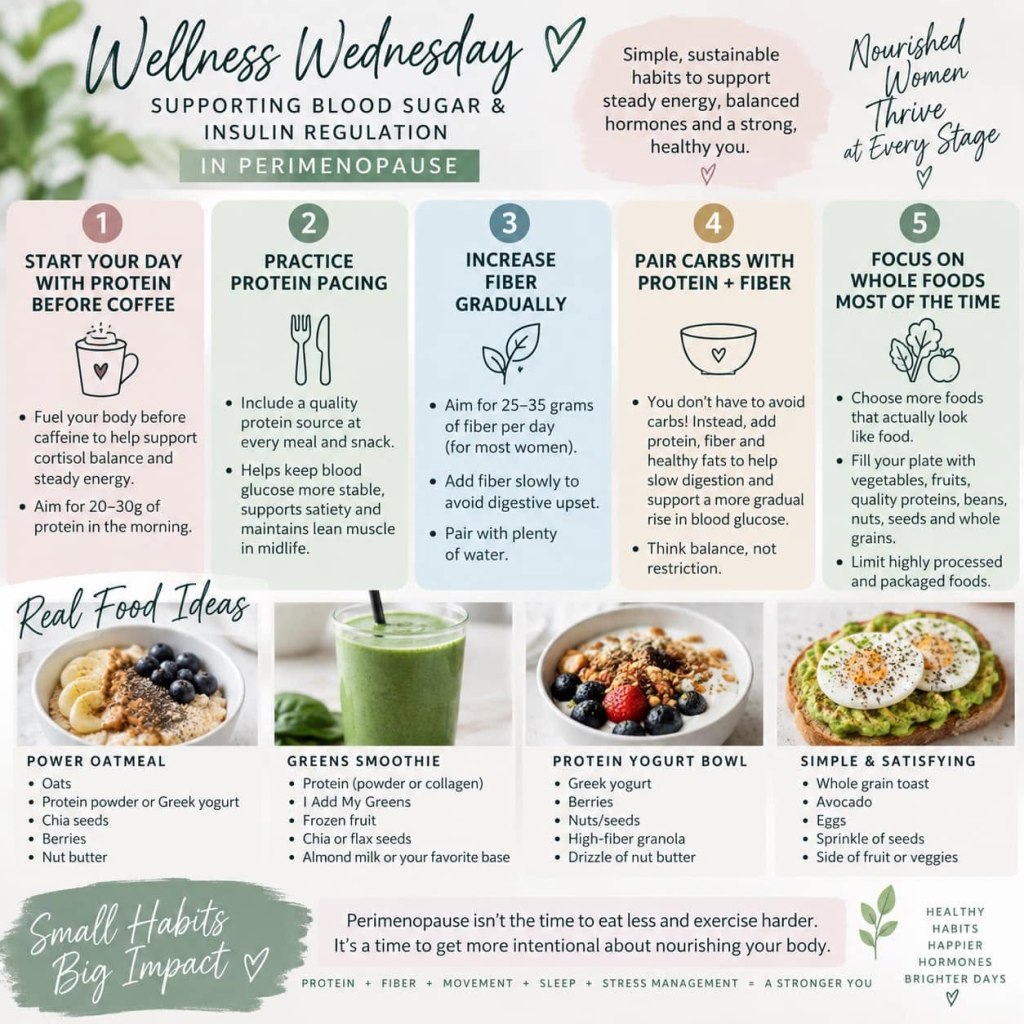
Supporting Blood Sugar & Insulin Regulation in Perimenopause

Last week, I shared a little about my own experience navigating perimenopause—and one thing I’ve been paying even more attention to during this season is blood sugar regulation.

Hormonal fluctuations during perimenopause can influence metabolism, appetite, energy, sleep, and how our bodies respond to insulin. While we certainly don’t need to become obsessed with our blood sugar numbers, there are some simple daily habits that can help support more stable energy and fewer of those “I need something sweet RIGHT NOW” moments. 😉

Here are a few of my favorites:

🥚 1. Start your day with protein BEFORE coffee.

Instead of waking up and immediately reaching for coffee on an empty stomach, try getting some protein and nourishment in first.

Think:

• Eggs + avocado toast

• Greek yogurt + berries + nuts/seeds

• A protein smoothie

• Cottage cheese + fruit

• Oatmeal paired with a protein source (I love adding a scoop of protein powder to my oats or overnight oats)

This gives your body some actual fuel to work with before adding caffeine to the mix and can be especially helpful for supporting steadier energy in the morning.

🥩 2. Think “protein pacing” throughout the day.

Rather than getting most of your protein at dinner, try distributing protein across your meals and snacks.

A simple goal: include a quality protein source every time you eat.

Protein paired with carbohydrates can help slow digestion and support a more gradual rise in blood glucose while also helping with satiety and maintaining lean muscle—which becomes especially important as we move through midlife.

🥬 3. Increase your fiber—gradually!

Fiber is another HUGE piece of the metabolic health puzzle.

A general target for women is around 25–35 grams of fiber per day, although individual needs vary.

If you’re currently eating much less than that, don’t go from 10 grams to 35 overnight! 😂 Gradually increase your intake while also drinking plenty of fluids.

Some easy ways to add more:

✨ Berries

✨ Chia or flax seeds

✨ Avocado

✨ Beans & lentils

✨ Vegetables

✨ Nuts & seeds

✨ Whole grains

✨ Fiber-rich smoothies

And one of my easy smoothie hacks is adding my greens powder to a shake or smoothie for an extra boost of organic greens + fiber without making it complicated.

🥣 4. Pair your carbs with protein + fiber.

You don’t have to eliminate oatmeal, fruit, potatoes, rice, or other carbohydrates!

Instead, think about what you can ADD.

For example:

➡️ Oatmeal + protein powder/Greek yogurt + chia seeds + berries

➡️ Yogurt + berries + nuts/seeds

➡️ Apple + nut butter + chia/flax

➡️ Smoothie + protein + greens + berries + chia

➡️ Toast + eggs + avocado

It’s not about fearing carbohydrates. It’s about creating a more balanced meal that provides protein + fiber + healthy fats + carbohydrates.

🥕 5. Focus on whole foods most of the time.

The foundation doesn’t have to be complicated.

More foods that actually look like food. ❤️

More vegetables, fruits, quality proteins, beans, nuts, seeds, whole grains and minimally processed foods.

And fewer highly processed foods that are easy to overeat and often don’t provide much protein or fiber.

✨ The goal isn’t perfection. It’s building habits that support your body through this changing season.

And honestly, this is one of the biggest things I remind the women I work with:

Perimenopause isn’t the time to eat less and exercise harder. It’s a time to get more intentional about nourishing your body.

Protein.

Fiber.

Strength training.

Hydration.

Movement.

Sleep.

Stress management.

Small things, consistently done, can add up to a BIG difference. 💚

What’s one of these habits you could start focusing on this week?

Try This Health Hack for Hormone Support

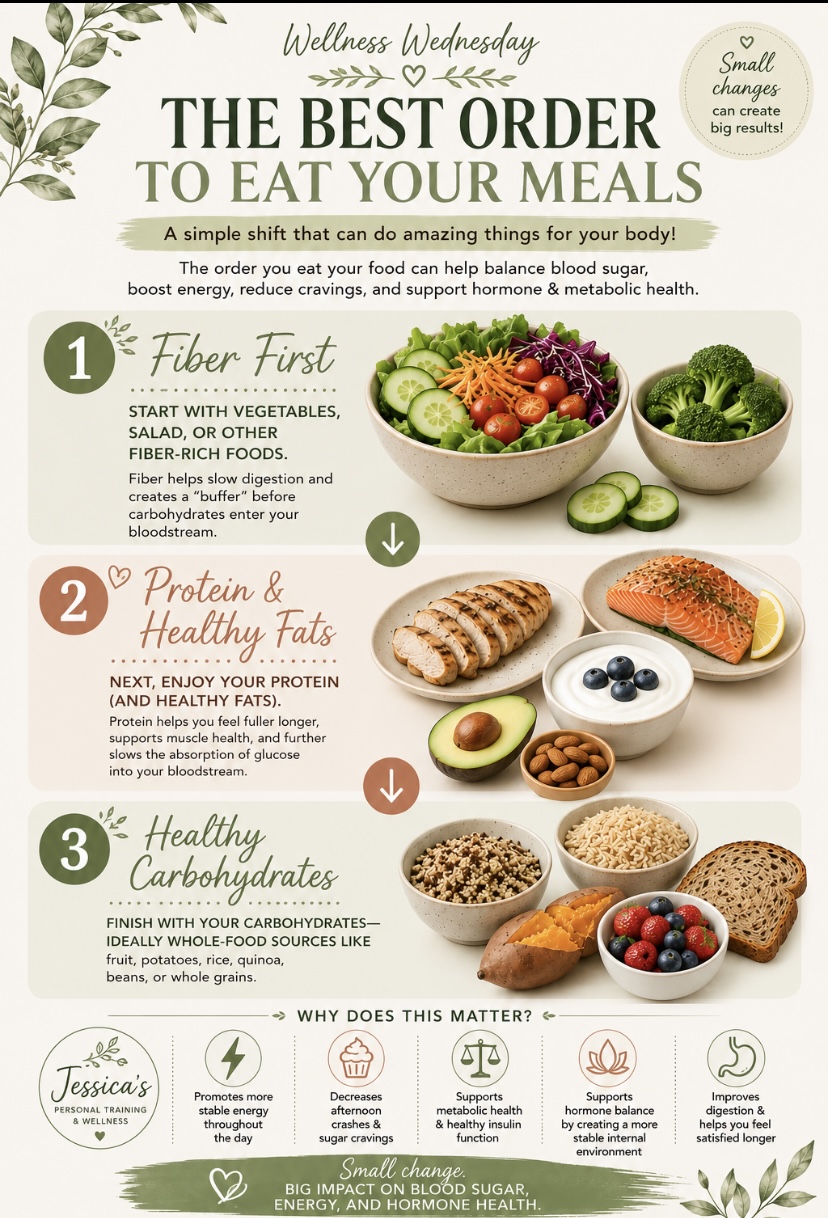
The Order You Eat Your Food Matters!

Did you know that how you eat your food—and even the order you eat it in—can have a surprisingly powerful impact on your body?

Most of us focus on what we eat (which is obviously important), but there’s another simple strategy that can help support steadier energy, fewer cravings, and healthier blood sugar levels.

✨ Try eating your meals in this order:

🥗 1. Fiber first

Start with vegetables, salad, or other fiber-rich foods. Fiber helps slow digestion and creates a “buffer” before carbohydrates enter your bloodstream.

🍗 2. Protein (and healthy fats)

Next, enjoy your protein. Protein helps you feel fuller longer, supports muscle health, and further slows the absorption of glucose into the bloodstream.

🥔 3. Carbohydrates last

Finish with your carbohydrates—ideally choosing whole-food sources like fruit, sweet potatoes, brown rice, quinoa, beans, or whole grains.

💚 Why does this matter?

Eating in this order can help:

✔️ Reduce blood sugar spikes after meals

✔️ Promote more stable energy throughout the day

✔️ Decrease afternoon crashes

✔️ Help reduce cravings for sweets

✔️ Support metabolic health and healthy insulin function

✔️ Support hormone balance by creating a more stable internal environment

This doesn’t mean you have to eat perfectly every meal. Even making this small shift a few times a day can be a simple way to support your overall health.

Sometimes the biggest improvements come from the smallest habits. This week, try changing the order of your meal instead of changing the menu—and see how you feel!

Have you ever tried this? Let me know in the comments! ⬇️

Screenshot

Fitness Friday – When the Trainer Becomes the Client

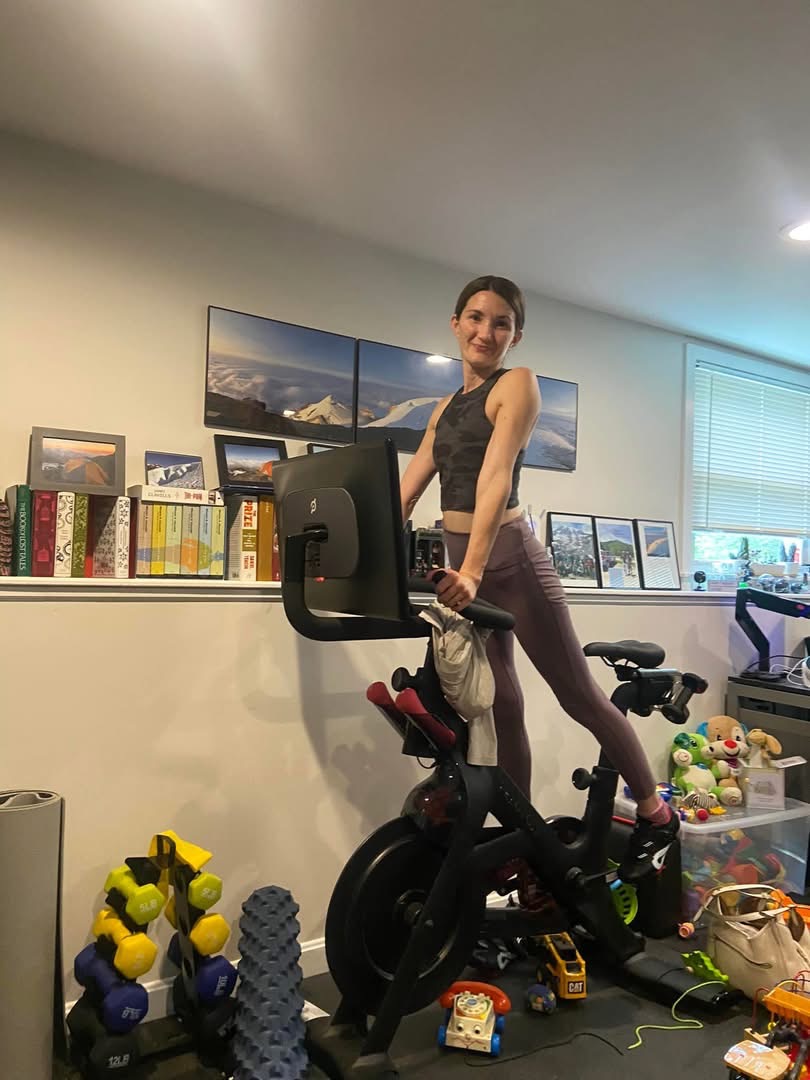
(Pic of a very happy Jess getting back on my bike pain free!)

Well…this year, the trainer became the client.

Back in January, my knee started bothering me. Like many fitness professionals (and probably many of you 🙈), I convinced myself it would just get better. Instead, I ignored it until walking up and down the stairs hurt, workouts became painful, and even everyday walking wasn’t comfortable.

The diagnosis? A pretty significant meniscus tear.

I’ll be honest—I was discouraged. Spring and summer are my favorite seasons to be active. My family loves hiking, biking, swimming, and spending time outdoors, and movement is such a huge part of who I am. I worried that this injury would take all of that away.

Today, I’m incredibly grateful to say I’m about 90% recovered—and, for now, I’ve been able to avoid surgery through consistent rehabilitation and lifestyle changes.

Now, this isn’t medical advice. Every injury is different, and I absolutely encourage anyone dealing with pain to work with their physician, physical therapist, or other qualified healthcare providers.

But I wanted to share a few things that made the biggest difference for me:

✨ 1. Respect the healing process.

I had to put my ego aside. Squats, lunges, hiking, biking—they all had to take a back seat for a while. Healing isn’t quitting; it’s preparing your body to come back stronger.

✨ 2. Commit to rehab.

Even as a trainer, I needed another set of eyes. Physical therapy helped identify weaknesses and movement patterns I couldn’t fully see on my own. The real magic happened by consistently doing my home exercises—sometimes even adding them after upper-body workouts so I was strengthening those supporting muscles almost every day.

✨ 3. Prioritize nutrition.

Recovery requires building blocks. I focused on adequate protein throughout the day, plenty of nutrient-dense foods, hydration, and giving my body what it needed to repair tissue and regain strength.

✨ 4. Supplement with purpose.

For me, that meant daily protein, collagen, creatine, and a post-workout recovery supplement that includes BCAAs, collagen, and ingredients that support muscle and connective tissue repair. These became tools to complement—not replace—a solid nutrition plan.

✨ 5. Think holistically.

One of the biggest surprises for me was acupuncture. Consistent treatments helped more than I ever expected. Recovery isn’t just physical—it’s about supporting the whole person, and sometimes thinking beyond the traditional approaches can make a meaningful difference.

Most importantly, I learned that healing isn’t about finding one magic solution. It’s about stacking healthy habits together, being patient, and trusting the process.

Today, I’m back on my bike. I’m easing back into lunges. My squat strength is returning. I’m hiking again. And I’m looking forward to a summer filled with all the things I wasn’t sure I’d get to do.

If you’re recovering from an injury, don’t lose hope. Whether your path includes surgery, physical therapy, medication, holistic care, or a combination of approaches, there is so much you can do to support your body’s incredible ability to heal.

Your comeback may take time—but it is absolutely worth the work.

Here’s to a summer filled with movement, sunshine, healing, and making memories with the people we love. ☀️💚

Have you ever had an injury that taught you something unexpected? I’d love to hear your story in the comments

Hydration Hacks – How to Make Sure You Stay Hydrated This Summer

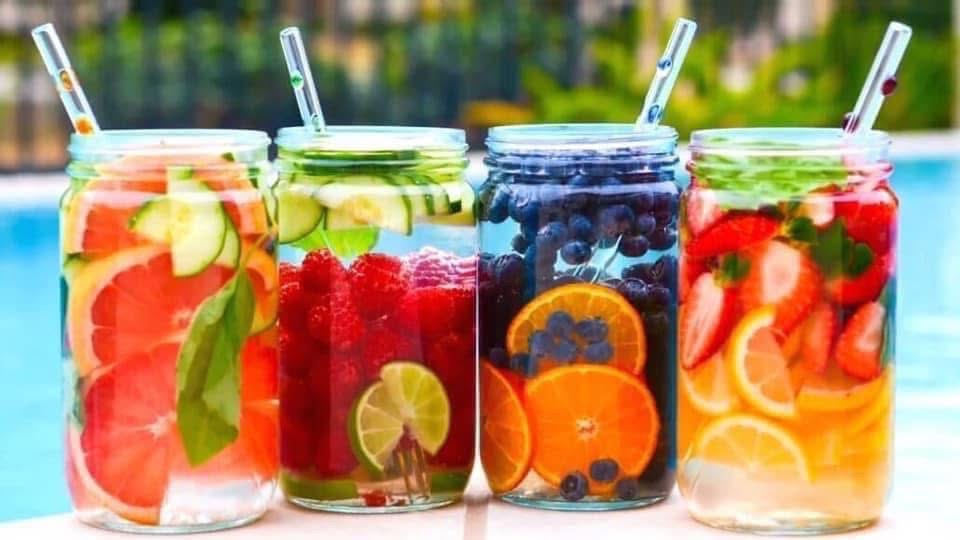
A gentle reminder that hydration is your best friend- especially these hot summer days ☀️ (but actually, always)!

Hydration plays a major role in:

• energy levels

• focus and mood

• digestion

• muscle function and recovery

• temperature regulation

• workout performance

Even mild dehydration can leave us feeling fatigued, headachy, sluggish, irritable, or extra hungry — especially during the summer months.

A few easy ways to support hydration:

☀️ start the day with water before coffee

☀️ add electrolytes after workouts or to motivate you to drink more (just choose brands carefully!!)

☀️ eat water-rich foods like fruit, cucumber, and watermelon

☀️ carry a water bottle so you’re sipping consistently throughout the day

☀️ don’t wait until you feel thirsty!!

Small habits make a big difference in how we feel day to day 💙

What are your biggest tips for staying hydrated?!?

An Easy Wellness Hack for Your Daily Routine

Let’s chat about…the benefits of oil pulling. Cause there are lots!

You guys know I’m all about simple, sustainable practices that uplevel our health and move the needle a bit at a time toward improved wellness, so this topic about a simple health habit you can add on to your daily routine felt appropriate.

So, let’s chat about oil pulling…

Maybe you’ve heard of this before or maybe you think I’m crazy?? It’s cool either way 🤷🏻‍♀️ I started a few months ago and it’s a simple practice that feels like a really awesome start to my day.

Let me start with the basics, in case this is a new topic for some of us:

Oil pulling is an ancient Ayurvedic practice that reflects a core principle of holistic health: everything in the body is CONNECTED. The mouth is not separate from the rest of the body — it is the gateway, influencing digestion, immunity, inflammation, and even nervous system balance.

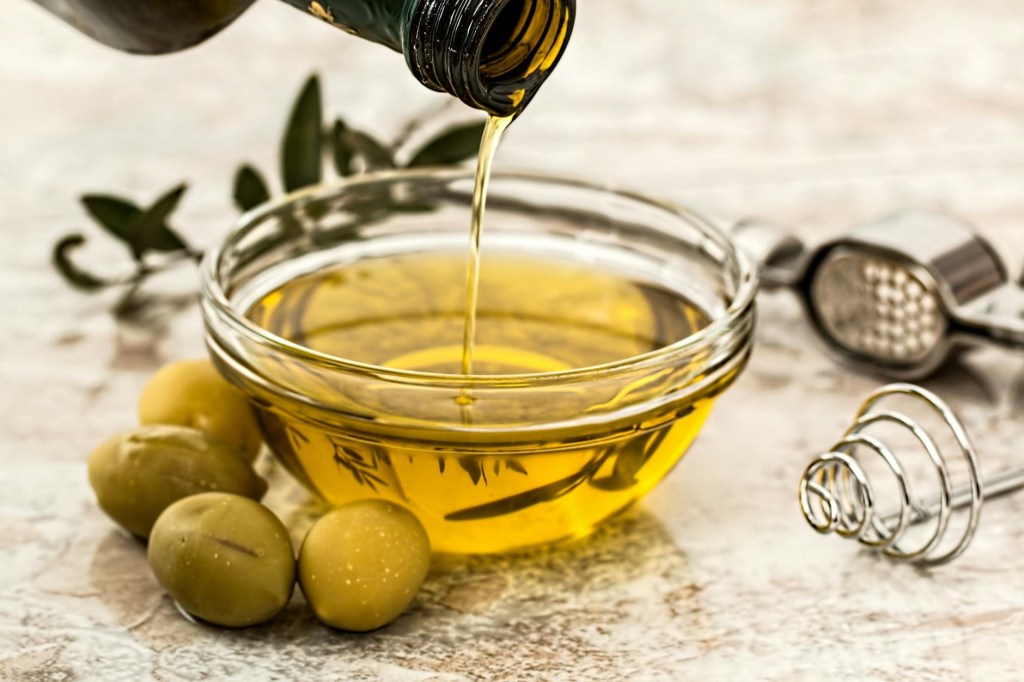
Oil pulling involves swishing about 1 tablespoon of oil (commonly coconut or seaame oil) in the mouth for 5–15 minutes, then spitting it out. This practice is traditionally done first thing in the morning, before eating or drinking.

But Jess- how does this relate to whole-body wellness??

So glad you asked!

The mouth contains a complex ecosystem of bacteria. When that balance is disrupted, it can affect more than just teeth and mouth care. By helping reduce harmful bacteria in the mouth, oil pulling may support a healthier internal environment overall. We love this! Here are some benefits ⬇️⬇️

✨Inflammation support

✨Improved oral health

✨A ritual for nervous system regulation

How to get started:

✨Do it in the morning before food or drink

✨ Start very small and work up to 10–15 (happy to share the exact ramp up protocol I used to get started for anyone interested)

✨Spit the oil into the trash (not your sink!) , then rinse and brush as usual

(As with any health practice, you can/should do your own research and decide if this is right for you! )

Sometimes, it’s the simplest rituals that create the most meaningful shifts. Would love to hear if you’ve integrated this wellness habit in your routine yet? ✨✨✨

This one’s for you, ladies!!!

How bout this?? We get to get STRONGER every decade 💪💪💪

Long post, but if you or anyone you love is just feeling “off”, this is worth the read!

This past weekend, I attended a conference where there was a huge focus on women’s health and the lack of research that has been done over the years. As a woman in my early 40s, I’m really starting to feel the effects of hormone changes, and I’m watching many of my friends, family and clients go through the beginning stages of perimenopause and menopause. And having worked with clients navigating this stage of life over several years, I’ve learned so much and am excited to share some of the important research being done.

But first, let’s talk about some (crazy) facts:
😡women were excluded from clinical trials until the 1990s. Like, what the actual…???
😳 Only 8.8% of funding from the NIH goes to women’s health.
🤦🏻‍♀️For many, many years, women were labeled as hysterical when talking about the symptoms they were experiencing at certain stages of life, and hysterectomies were actually performed to help women “calm down” in the past.
👎Currently, only 25% of clinical trials today include women, and less than 20% of OBGYNs are trained in menopause. Less than 7% of internal medicine doctors get trained in menopause.

And yet…
❤️many women, age 35 and up, are in perimenopause
❤️women spend 40% of their life in perimenopause!
❤️and it is this optimal time, the most important time of life, to take care of our health.

Why??
✅ During perimenopause and beyond, we start to see a huge increase in cardiovascular risk factors. Heart disease is the leading cause of death for women and much of this has to do with the decrease of estrogen that we experience. ✅Perimenopause lasts, on average, 2 to 10 years.

Common symptoms of perimenopause:
-vasomotor (like hot flashes and night sweats)
-sleep disturbances
-joint and muscle pain
-genitourinary symptoms
-weight gain
-anxiety
-Increase in visceral fat (the dangerous kind around our organs)
-Increases in cholesterol and triglycerides
-Decrease in HDL cholesterol
-increased risk of type 2 diabetes, osteoporosis and cognitive decline

So it is so important that we start talking about what we can do in our 30s and beyond to prevent some of these risk factors. Because we CAN do SO MUCH!!!

So where do we start???

✨ It’s really important that women are getting a comprehensive blood panel done in perimenopause and beyond, including LPa and APOB markers. Ask your doctor for this!
✨You’re going to want to optimize your body composition to decrease pain, decrease vasomotor symptoms, and protect your heart.
✨And then we’re going to talk about things that you can do every day through nutrition. This is the area that I love to talk about:

  1. Number one is protein pacing. You’re going to bookend your day with protein. I do like to use a protein shake in the morning and something called a tri-release protein at night. That’s super important because it’s low in sugar, low in carbs, and high in protein, which is important to do before bed.
  2. You’re going to make sure you’re using clean forms of protein. I could talk about this all day. Super important that we’re not using things with artificial sweeteners, artificial colors, excess sugars, et cetera.
  3. Adaptogens to help mitigate your hormone spikes. They can also help with sleep, stress and mood
  4. And then a supplement called Harmonia, which can be used alongside HRT (when that’s indicated).
  5. You’re going to use creatine, which is so important for our brain health, bone health, and muscle health (all things that start to decline in our late 30s)
  6. And you’re going to hydrate!! 🥥🥤love using electrolytes. It just helps your cells absorb water better.
  7. Lastly- do not forget the importance of strength training. Gone are the days of hours of cardio, under eating and skipping the weights 💪💪💪

Let’s not wait till we start experiencing severe symptoms to act on this!! I am offering 20% off my “women’s wellness pack” this week to celebrate the fact that women’s health is being talked about more and the fact that we have solutions that empower us to take charge of our health and prevent some of the symptoms that older generations have had to go through.

So please reach out. I will send you a link for 20% off your women’s wellness bundle. I’ll share recipes and grocery lists, share customized tips with you, and will throw in some workouts for you too.

Let’s do this, ladies!! To our health! ❤️💪🌻.

Grab your pack here:

https://www.isagenix.com/share/4LDSSE7

The Healing Tool You May be Missing Out On

This week I’m excited to chat about something I’ve loved learning more about and am excited to get more consistent about implementing in my routine ⬇️⬇️⬇️

So let’s dive in…

🌟 Why Red Light Therapy is More Than Just a Trend 🌟

If you’ve been hearing about red light therapy and wondering what the hype is all about… it’s not just hype. It’s science-backed, non-invasive, and seriously beneficial for both body and mind.

Here are just a few reasons why I (and so many of my clients) are loving red light therapy:

🔴 Boosts Collagen Production

Red light helps stimulate collagen, which means firmer, smoother skin and reduced fine lines over time. Yes, please! 🙌

🔴 Speeds Up Muscle Recovery

Whether you’re a fitness junkie or just feeling sore from life, red light therapy promotes faster recovery by reducing inflammation and increasing circulation.

🔴 Supports Mood + Energy

Especially during darker months or long days indoors, red light can help regulate circadian rhythms and even reduce symptoms of seasonal affective disorder.

🔴 Improves Sleep Quality

Using red light in the evening (instead of harsh blue light from screens) helps signal to your body that it’s time to wind down. Better sleep = better everything.

🔴 Heals Skin + Reduces Inflammation

From acne to eczema and even wound healing, red light supports cell regeneration and reduces redness and irritation naturally.

✨ The best part? It’s painless, safe for most skin types, and can be done at home or in a professional setting.

If you’ve tried it or have questions, drop a comment! Would love to hear your experiences. 💬👇

#RedLightTherapy #NaturalHealing #SkincareScience #WellnessTools #GlowFromWithin

Garden Your Way to Better Health

Just a few of my yearly faves from our garden

You guys – it’s nice outside! Finally!! Spring is, like, the best time of year and when I really start planning all things summer…vacations, summer camps for the kids (not as fun to plan, amiright??!) and…our summer garden!!

We’ve been gardening for the last 15 years or so (or, to be honest, my husband has been gardening and I’ve been enjoying the harvests). It started back in our days of living in an apartment in the city, where we did container gardening on our patio and realized how very cool it is to be able to pick veggies for dinner, make a salad for lunch each day and have goodies to give away to friends and family.

And, let’s be honest…home grown veggies are SO much tastier than what you get in the store. And a good year’s harvest leads to some pretty decent savings over the summer too.

If you haven’t gotten into gardening yet, here are some pretty cool reasons you might want to consider it:

Gardening:

  • Has been shown to improve mental health
  • Can improve the gut microbiome
  • can provide vitamin D, which is so important for overall health and immunity
  • can be a super fun family experience and can support healthy eating for the whole fam (studies show that exposing kids to a variety of fruits and veggies and inviting them to participate in the whole process, from seed to plate, can do wonders for making kids more likely to try new foods
  • can limit our exposure to harmful pesticides and toxins
  • can improve stress levels
  • can provide increased physical activity and mobility
From an early age, our kiddos have been working for their dinner 😂

My favorites every year are the cherry tomotoes, cucumbers (SO much better than the ones at the store) and eggplant. But the year we did potatoes was pretty cool too…

What are you growing this year in your garden?? Share your faves and give us a new idea to try!

To your wellness!

~Jess

But How Do I Get Rid of This??

If I had a dollar…

For every time a client asked me “but how do I get rid of my belly?”

Well, first – I always like to remind people that health looks so different on everyone. And if you’re working with me, I really hope your primary goal is HEALTH.

But, 20 years of training/coaching clients, and the question still comes up all.the.time.

20 years later, and my answer remains the same:

Abs are made in the kitchen. Truly. It’s true. I promise.

80% of our efforts for achieving body composition goals should be focused on what we’re putting in our bodies. My secrets are protein pacing, significantly decreasing processed foods and eating more veggies. Like, 5-7 servings per day. These strategies will keep you full, keep things moving, help you build muscle and give you more sustained energy. The system I use incorporates high quality protein, organic greens and undenatured, well tested supplements to help me meet these goals. Message me if you want to give it a try for 30 days, risk free…

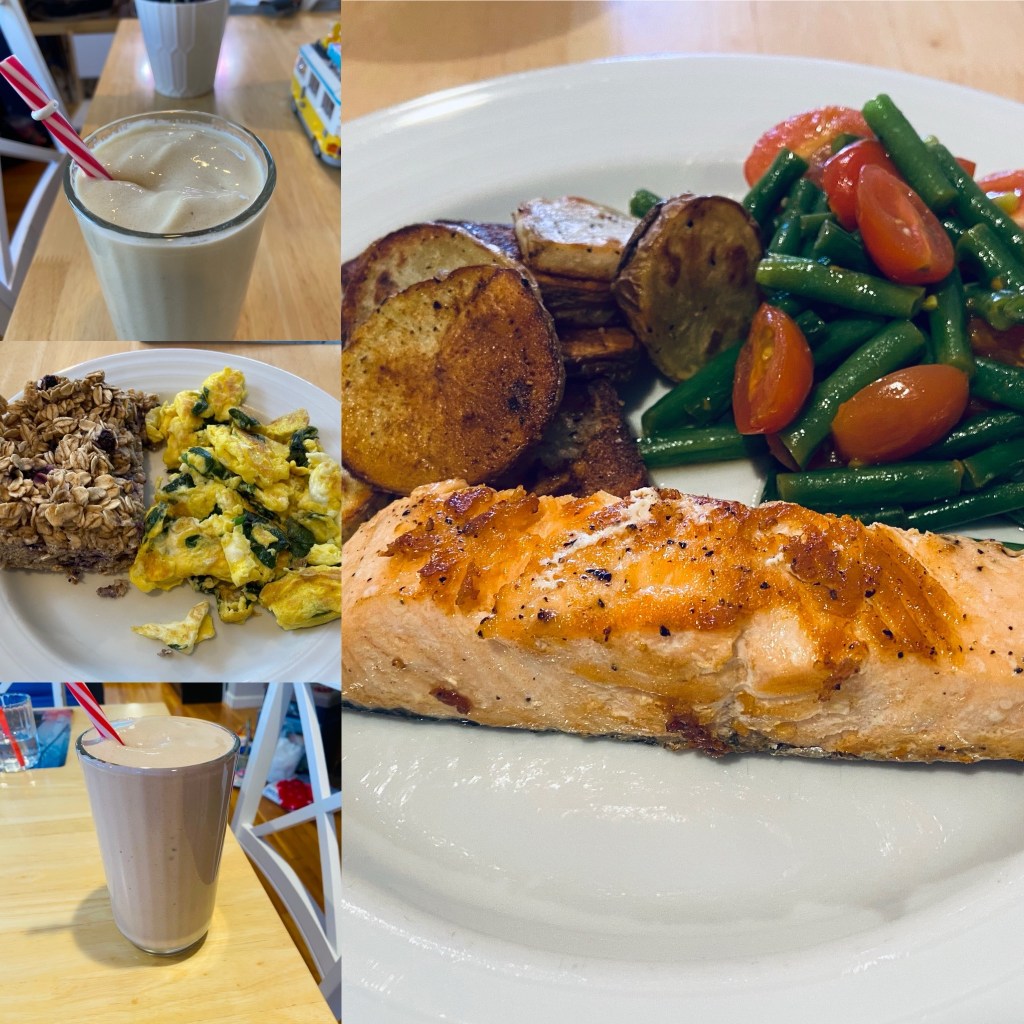
A day in the protein pacing life…never about deprivation over here!!

Next, I recommend strength training. I know…I went through all those phases in life where I tried to run, ride, row it all away. I don’t recommend. Cardio is SO important for health, but when it comes to building lean muscle (which we want to do to help burn more calories overall), we need to lift. We need to lift often. And we need to lift heavy enough with progressive loading over time. I can’t recommend enough the benefits of proper deadlifting, squating and heavy upper body lifting, but make sure your form is solid and you build up appropriately. If you want to know what this means, reach out!

Lift correctly, lift often, lift heavy- and your abs will work harder than you realize

Now let’s talk about stress and sleep. I’ll often ask clients how many hours of restful sleep they’re getting a night. Less than 7? This could definitely contribute to belly fat. Excess stress does the exact same thing, as the stress hormone cortisol contributes to weight around the belly that can be stubborn and hard to release. For this, I recommend daily walks (nature plus movement plus sunlight is a powerful combo), meditation/gratitude journaling/yoga and adaptogens.

Powerful morning combo: gratitude + adaptogens

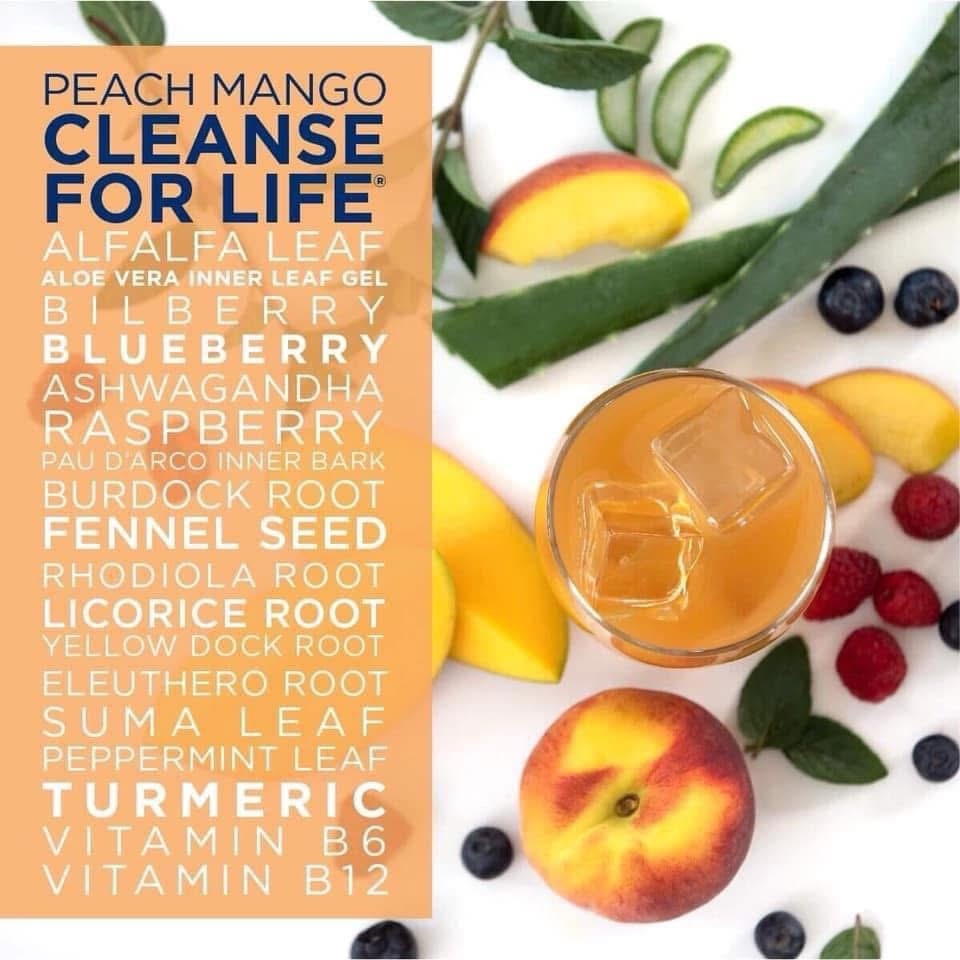
You’ve heard me talk about cellular cleansing before. For good reason. This supported intermittent fast releases toxins, which tend to reside in fat cells in our bodies. It also lowers overall inflammation, and who doesn’t want that? This is a gentle cellular cleanse, it will not have you living in a bathroom, it improves energy and mental clarity and it includes yummy snacks you get to munch on while your body is doing the hard work of detoxing. Pretty great, right??!!

I know. It seems too good to be true. Best.detox. Ever 🙌🏼

Ok, ok…I guess we can talk about ab exercises now. Trust me, I did used to be that girl that did 1,000 crunches a day and I am here to tell you that it was pretty much a waste of my time. I do like tacking on a quick 5 minute ab workout to my workout routine 2 days a week maybe, but it’s really not a focus of my exercise these days. That being said, when I’m choosing ab exercises for myself and my clients, I choose wisely. Functional movements are my fave – rotation, woodchops, that sort of thing. I also have a solid appreciation for pelvic floor conditions and diastasis recti that so many of my postpartum mamas (including myself) have had – so I’m also hesitant to recommend full sit ups, constant flexion and excessive forward planks without real attention to what’s happening in the abdominal region. But, some of my faves that are safe for most everyone:

Side plank variations (side plank hold, leg lifts in side plank, “thread the needle”, side plank crunches…)

Oblique work (oblique v ups are a fave, but check with a pelvic floor PT first if you have any of the conditions mentioned above)

Russian twists (with or without weights and I prefer to keep my feet on the floor to ensure good form and muscle activation)

Ok, so there you have it. Tried and true advice that has worked for my clients and myself over the last 20 years, and that I expect will work for many more years. If I hear of anything revolutionary, I’ll let ya know. But in the meantime, lay off the 10,000 hours of ab work, focus on what’s going in your body and try one new nutrition, strength training or stress management/sleep strategy at a time.

Let us know what works for you or what you’re trying. And let’s all collectively agree to leave spot training in the far, far away past…

To your wellness,

~Jess