Last weekend, my little girl had the stomach bug. All she wanted was to cuddle, read books, have me sing her back to sleep. All I wanted to do was comfort her and remind her that she would feel better soon.
Fast forward a few days, and I started wondering “ok, when are the rest of us gonna get this?”Cause we all know how that works, right??
And, while I fully recognize we may still get this virus, or any others, this winter, that isn’t stopping me from doing all the things I can to keep our immune systems as robust as possible. You all have read many of my blogs before about habits you can include in your daily life to best support your body’s natural immune defenses. So, I won’t sit here and remind you to get 7-8 hours of sleep and eat 5-7 brightly colorized fruits and veggies today (but please- keep aiming to do that). Instead, I’ll share all that I’ve learned over these past few years about specific supplements that support the immune system.
Mushroom extracts: It can’t be just me they gets inundated with these ads, right?? Well, it’s for good reason. I’m still learning about these powerful ingredients. Reishi, turkey tail, shiitake, maitake…all such good varieties for supporting the immune system!
Fruiting bodies: Make sure your mushroom supplements include this. Supplements that include this part of the mushroom can be up to 30-50% more effective
No sugar! No gummies!: I’ll spare you my whole explanation about this. But sugar is definitely not supportive for the immune system, so having a supplement with too much added sugar wouldn’t be helpful either
GMP certified and third party tested. Again, this goes for all supplements. So so so important!! (Rule of thumb- don’t buy your supplements where you buy your toiled paper).
Special thanks to Camille Johnson (info@bereaver.com) for her excellent article about wellness for this week’s blog. This time of year, it can feel overwhelming to focus on our wellness goals, but Camille shares some great tips below to make your wellness goals achievable, enjoyable and easy to integrate into your busy life! Thanks, Camille for all the great tips!
Embarking on your wellness and self-care journey requires more than desire; it demands a deliberate and strategic approach for lasting improvement. This guide, courtesy of Jessica’s Fitness, equips you with actionable strategies to effectively pursue your wellness goals. By adopting these strategies, you ensure a solid foundation for your journey towards personal well-being.
Clarify Your Personal Wellness Definitions
Start by explicitly defining what wellness and self-care mean specifically to you. This personal definition will guide your journey and help tailor your objectives to be more meaningful and achievable. Break these broad goals down into specific, actionable tasks such as scheduling daily mindfulness sessions or setting a weekly meal planning routine. This approach not only simplifies your goals but also integrates them seamlessly into your daily life, making them more manageable and less overwhelming.
Make Walking a Priority
Walk more often to optimize your mental and physical health. Seek out areas with a high Walk Score of 70 or above to easily achieve your daily step goals. This practice boosts both your cardiovascular fitness and mental well-being. Regular walking in pedestrian-friendly areas can enhance your overall health. Making walking a daily habit helps you maintain consistency in your physical activity routine.
Integrate Self-Care Into Your Routine
Embed self-care practices into your daily routine to make them feel less like chores and more like a natural part of your day. Whether it’s reading a book, taking a long bath, or practicing yoga, finding activities that relax and rejuvenate you can make self-care an anticipated part of your schedule. This integration helps to prevent burnout and ensures that self-care remains a priority, not an afterthought.
Explore Diverse Activities
Experiment with a range of activities to discover what genuinely brings you joy and relaxation. Whether it’s physical exercise, arts and crafts, or learning a new skill, diversifying your activities keeps your self-care regimen engaging and exciting. This variety ensures that your wellness plan remains fresh and appealing, increasing the likelihood that you will stick with it over the long term.
Recognize and Celebrate Achievements
Take time to recognize and celebrate each achievement, no matter how small. These celebrations act as milestones of progress and are essential for sustaining motivation. Whether you’ve stuck to your wellness plan for a week, or have successfully managed stress through learned techniques, acknowledging these victories provides encouragement and builds confidence in your ability to meet your goals.
Engage a Support Network
Share your self-care and wellness goals with friends and family who can offer support and motivation. Having a supportive community provides external accountability and encouragement, which can be incredibly valuable on days when your motivation wanes. This network also serves as a sounding board for sharing successes and challenges, making your journey a shared experience.
Utilize these strategies diligently to enhance your wellness and self-care efforts. The foundation of success in personal growth lies in your consistent efforts and unwavering dedication. Keep your goals in clear focus, and rely on your support network for encouragement and accountability. Make it a habit to acknowledge and celebrate each accomplishment, no matter its size, as this will help you stay motivated.
Jessica’s Fitness offers both individual and group personal training and health coaching sessions for those who want to make healthy changes to their lifestyle. Get in touch today to talk about your needs!
This time of year, most of us are starting to think about ways to enhance our immune health. Working in healthcare and schools, and having two young kids, it’s definitely top of mind for me…
My fave tips for my clients this time of year are to focus on the basics:
✨exercise
✨stress reduction (I tend to favor gratitude journaling and daily meditation)
✨high quality sleep
✨quality nutrition
Do we notice a trend?? These are the basics for feeling amazing any time of year. These are ALWAYS the priority for me. But, I’d be remiss if I didn’t share what else I do to enhance my body’s natural immune defenses this time of year: ✨effective supplementation!!
I typically use an immune booster in my daily superfood shake, but I’m super excited about a new product that uses some key ingredients-
We’ve long known that vitamins C and D are powerfully supportive of our immune health, but NAC is another supportive molecule, as it is a precursor for glutathione (an important antioxidant for our immune systems). Which is why I’m pretty psyched that my favorite electrolyte drink now also has all three of these super important immune system supporters. What a convenient way to stay hydrated, help combat dry winter skin AND boost your immunity as we head into the winter months 👌👌
Hey friends!! Please welcome my friend Lior to this week’s blog! Lior is a functional herbalist who I’ve had the pleasure of learning fromover the past year. I invite you to read this blog and share one tip you’re gonna try this summer!
From my kitchen window, I look at my garden. It is summer, and the garden is filled with an abundance of vegetables and herbs. Bees are zooming between the tulsi and lavender; birds are chipping on the trees, and butterflies hover over the Mexican sunflower.
Staying connected with the season is not just about the physical changes but also about tuning in to nature’s energy or vibe. It’s about stopping, observing, and feeling the rhythm of the natural world.
What are the energetics?
Ancient cultures all over the world observed the ebb and flow of the seasons. They paid attention to details and looked for patterns. The Western tradition, descended from the alchemists and herbalists of Europe, identified six foundational states called the energetic.
The six energetics were used to describe the patterns in plants, people, health conditions, and the seasons.
The energetic/vibe of summer
Summer is associated with the fire element. While in some places, the heat of summer is dry, like in Africa, in others, it is hot and humid, like in India. But all over the world, summer is a time to relax and have fun.
The Taste of Summer
Drinking cold lemonade can give you a clue to how sour food and herbs can counter the relaxing effect of heat on the body. The sour taste is astringent, meaning it tightens tissue and reduces fluid leakage. Some cooling foods and drinks you might want to consider in the summer are berries, citrus, kombucha, and vinegar.
Food tips:
What to do in the summer?
Like the sunflower, people chase the sun. Not literally, but because sunlight is essential for many bodily functions, from regulating appetite and sleep to balancing our mood, people celebrated the sun and nature, especially in the summer.
Be it in the garden or on a camping trip, summer is when you spend time outdoors, stock up on vitamin D, and enjoy the abundance of vitality and growth. Like a butterfly, I am attracted to the garden’s colors, forms, and sounds. My heart is filled with joy and reverence for the creative forces of nature.
Summer is a good time to build an altar in the garden using sticks, stones, and dried plants. You might want to plant a special plant next to your altar, like tulsi, burn incense, and offer prayers of gratitude to the forces of nature that sustain us.
This is the time to follow your passion, manifest your inner fire, and follow your dreams. The organ associated with the energy of summer is the heart and the circulatory system. It calls upon you to leave the comfortable safety of your home and step into an adventure. Explore new possibilities and create from the heart.
Don’t be afraid of being messy playing with finger colors or making a lot of noise while drumming. Summer is for letting your soul soar.
Being in tune with nature means stopping and noticing the changes in light, temperature, moisture and tune in the ecosystem around you. As you slow down, you will observe how different seasons resonate differently with your body.
I have a love/hate relationship with social media- probably like many of you. But, one thing I do love is the support and ideas we can all get from (positive) groups on there. I love the motivation and support of all my Peleton FB communities, so I do like to spend a little time each day reading through peoples’ posts.
One thing I’ve noticed lately is people posting this question: “How do I get the motivation to workout? I used to love doing X, Y, Z, and now I just can’t get myself to do anything”
So, here’s the thing. Motivation comes and goes and no one has it all the time. But, many people do work out consistently. Are they motivated every day?
Def not
Is it easy every workout?
Ha!
So how do they do it? More importantly, how can we get ourselves to initiate, re-engage in or stay consistent with a workout program when the motivation just isn’t there???
I have a few ideas:
1. Don’t put too much pressure on yourself. Seriously though. Just stop comparing who you are now with who you may have been at, say, 20 years old when you didn’t have a family, stressful job, time constraints, etc…Instead, just commit to doing ten minutes of a cardio workout and 10 minutes of any strength workout (choose what’s fun for you) and then move on with your day. Schedule it in your day, like you would a doctors appointment or work meeting. Over time, it will become easier to get that 10 minutes started and you will naturally want to increase the duration of your workouts- trust me!
2. Pair something you enjoy with the 10 minute workouts or “sandwich” it between two things you enjoy. Having something to look forward to while working out or right after will help your brain to associate exercise with something positive. I’m a sucker for a little Netflix/Hulu show or a podcast I’ve been dying to listen to- and I save said episode to watch/listen to ONLY during my workout.
3. Get yourself an accountability partner or group. I regularly run nutrition, wellness and healthy habit groups and my clients who participate have SO much more success than those trying to go at it alone. Twenty years in this industry and I can’t stress the importance of accountability and support enough.
If you’ve read this far, I hope you come away from this article knowing that: 1. You’re doing amazing and there’s nothing “wrong” with you for not being motivated and 2. You can feel amazing/energized and healthy again!! Start small, stay consistent, make it fun and get yourself a partner (or reach out to join one of my groups anytime!)
Would love to hear your tips for staying consistent with healthy habits too!!
It’s been a busy start to summer over here. Almost so busy that I haven’t told you guys about the incredible Health and Wellness coaching conference I had the pleasure to attend a few weeks ago. Leaving the kids and hubby to fly to California was not easy but I left feeling well informed, hopeful for the future of wellness coaching and SO inspired to continue sharing what I know to work for optimizing our health spans and lifespans 🙏
Here’s the hopeful news: ✨health and wellness coaches are beginning to be more and more recognized as valuable members of the healthcare team (as they should!). Recently, VA organizations have even incorporated health coaching into their programs with success (in the form of prevented suicides, as one example) noted in just this short time frame. ✨health and wellness coaching is being recognized in various medical journals (finally!) ✨health coaching programs are being rolled out in colleges, primary schools and retirement communities. Our reach is expansive and it’s a beautiful thing 🌻🌻🌻
The work we have ahead of us: ✅Due to (IMO, anyway) lack of understanding about the education and value of health coaches, we are not yet an integrated referral source in healthcare networks. I carry deep hope that, someday soon, more physicians, specialists, therapists and social workers will see the value of our work and refer patients our way. That’s the major one, folks. So, my call to action for anyone reading this: 🌻If you have a friend who is a certified health and wellness coach, share their contact information, their websites and their content with anyone you know who can benefit. 🌻If you are a physician, know that your work is of immeasurable value! However, it might benefit your patients for you to acknowledge that your time with them is often limited. At the same time, humans are complex beings who need and deserve an ongoing, supportive and holistic relationship with a provider. Might there be a world in which we can work together to make this world a healthier place?? 🌻As a health care consumer, advocate for what you deserve!! Right now, there are some modes of reimbursement available for health coaching. Keep asking your physicians and insurance companies and advocate for getting access to a certified health coach, especially if you are living with a chronic health condition, feel dismissed in any way by your health care team or would benefit from customized, client centered care as you aim to meet your wellness goals.
Thanks for hanging out with me on this soapbox, friends! I love working with my clients and I see a world we we all achieve better health outcomes through client centered, individualized, holistic care. Let’s do this, friends ☀️☀️☀️
Guys, I turned 40 last week and it would have all been fine and what not if I hadn’t JUST thrown my back out. Like, really thrown my back out…
I’ve been training clients with back pain since day one of my career and I’ve learned alot about what to do, what to avoid, etc…But this experience was truly humbling…after barely being able to move for the first three days post injury, I really had to scale back with workouts for a bit. Which, for someone with a bit of a hardcore/type A personality, was a *bit* HARD.
But alas, I’m writing to you pain free and feeling strong. I came out on the other side of a back injury and you can too. Along the way, I really relied on my twenty years of experience as both a trainer and Occupational Therapist- let’s just say this experience offered a good “refresher” course…let’s discuss ⬇️⬇️
🛏 When dealing with an acute injury, it’s so key to rely on good body mechanics and energy conservation. Log roll out of bed, bend with your knees and use your core for, like, everything. Position items you use daily at torso level, avoid excessive bending/twisting/rotation and plan your activities to eliminate excessive movement with your pain is at its worst. 🚶♂️🚶🏻♀️That being said, MOVEMENT IS MEDICINE. A sedentary day rarely does more good than harm- our bodies NEED to move! Blood flows circulation improves, pain decreases…and so much more happens when we move. I started with walking, gradually increasing my distance over the week post injury. And I walked several times a day…it really got easier with each subsequent walk. 💊 Manage pain. Now, you guys know that I am not a fan of most pharmaceuticals in the long term, but I know there’s a time and place for using them. I personally decided to manage my back pain without any over the counter meds or prescriptions, but everyone has to make that decision for themselves. Regardless of whether you decide to use meds or not, DO NOT forget about other pain management modalities. For muscular pain like mine, I find heating pads, gentle stretching, hot showers, cbd and adaptogens to be powerful tools. That, and remembering that pain is, in this case, temporary. Ooh- and let’s not forget about the power of breath work and meditation 🧘🏻♀️🧘 🏋🏻♀️🏋️♂️ When ready, progress workouts carefully. Post back injury, I have found it’s very helpful to start with the core- pelvic floor work, then adding in yoga, followed by Pilates. We’ll often need to modify some moves (and which ones to modify can vary friending on the injury), but it doesn’t mean an entire workout is off limits. Next, I started to add in bodyweight resistance training, light cardio and, finally, strength training with weights. I reminded myself often that I was not going to lose all of my strength gains in a few weeks and that building back slowly was wise. In other words, I had to listen to trainer Jess, not my inner dialogue. 🤷🏻♀️If you’re not sure how to return to exercise post injury, it’s very wise to find a trainer with experience in rehabilitation to guide you. 💦Hydrate. Then hydrate more! Hydration is critical for reducing pain and increasing joint mobility. Once a day, I added my fave watermelon electrolyte powder to my water bottle and I drank atleast half my bodyweight in ounces per day. It helped 🙌🏼 Now, could I have done without this injury? Yeah, that would have been nice. BUT, I am one of those people who believes things do truly happen for a reason and I came out of this injury with renewed perspective and empathy for all of my clients with pain conditions and with a good refresher of stretches and exercises that are both protective and productive for the back 💪 If you have tips for post injury training, I’d love to hear your thoughts as well ⬇️⬇️ Stay strong and healthy, friends!! ~Jess
Ok, so yesterday felt like Spring in Boston and I am here for it! 🌸🌼☀️
With the warmer weather on its way, I can’t help but noticing so many more people out and about running, biking, playing sports. The trainer in me loves this season- when we all crawl out from under the winter hibernation and start reaching for our health goals again, start spending more time outdoors, start MOVING as our bodies have been craving for months.
Simultaneously, I am noticing the marketing for “sports drinks” more and more these days. I see kids and adults walking around with many very popular electrolyte brands. Having concerns about some of the ingredients in these drinks, I decided to do some investigating at the grocery stores this week.
I’ll leave out names, because I’m not a fan of putting any company down, but there’s a very popular “sports drink” that came out recently (in the last few years) that has some benefits. Some forms of this super popular drink include branch chain amino acids- GREAT for muscle repair after workouts. This brand also has less sugar than the other popular sports drink that’s been around for decades. So that’s good 👌
However, this brand also carries some beverages that have a high amount of caffeine- so kids and teenagers should be very careful. Adults too- especially if they already drink other forms of caffeine or are drinking these later in the day. Also, I have some definite concerns about artificial sweeteners and the reason many of these drinks are lower in sugar is because they contain artificial sweeteners. You can do your own research on these, but I’m personally concerned between the relationship between these ingredients and very significant chronic health conditions and dis-eases. Just an automatic no for my family- especially when there are better options out there!!
I have equally concerning thoughts about artificial colors. There are ways to color foods and drinks naturally, so if you see Red #40 or something similar in a product, you’d be doing your body a huge favor by putting it back on the shelf!!
Almost every other brand I found on store selves included some form of artificial sweeteners or TONS of sugar. One brand lists sugar as the first ingredient and had 12 grams of added sugar. Like, what?!!?
Sooooo…what do I hydrate with instead and give to my kids???
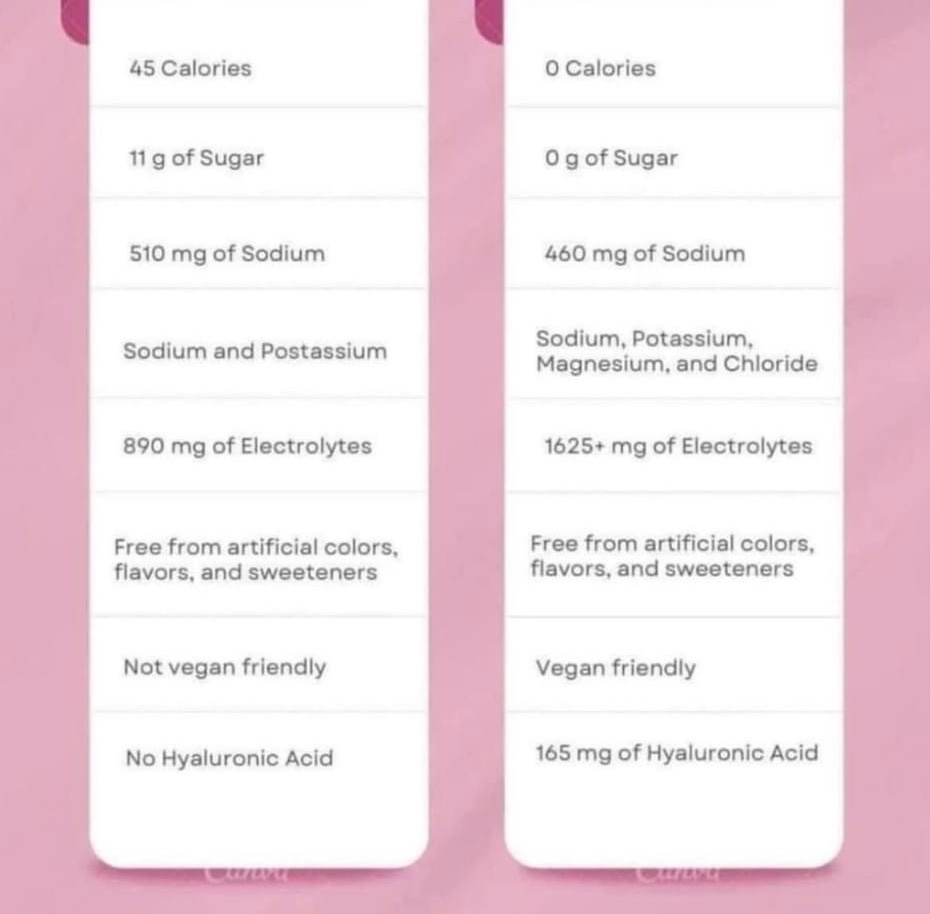
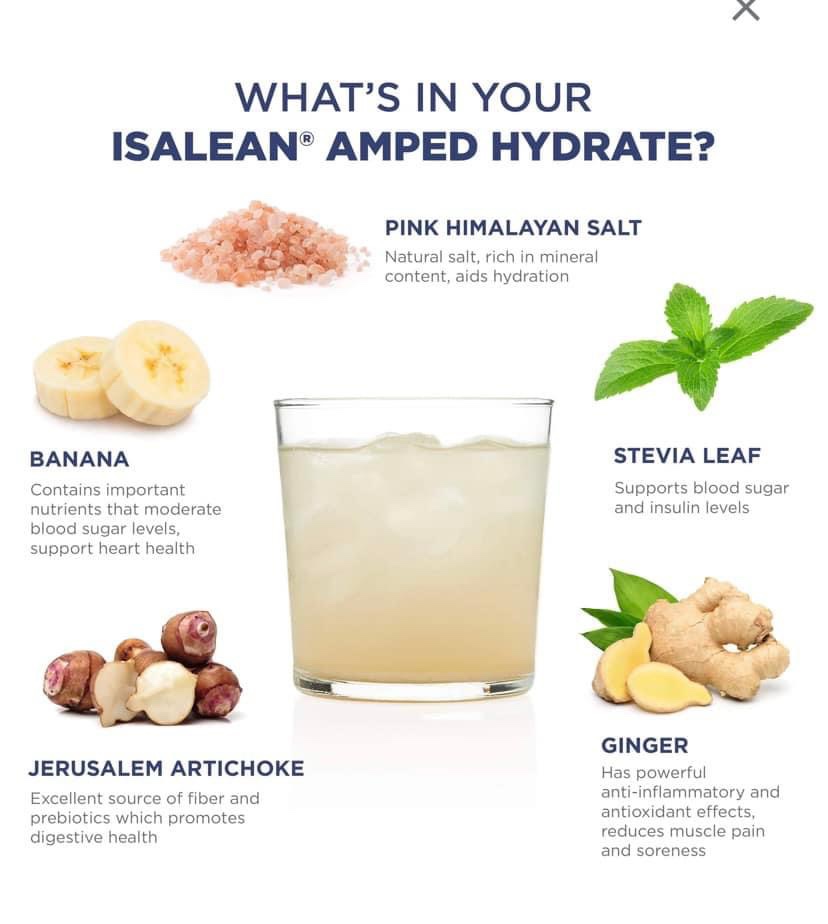
First- water is great! Some people don’t need electrolytes with every workout, but our cells do absorb water better with them, so… AMPED HYDRATE is what we use- here’s why:
Didn’t wanna name any names- leading store brand on the left/ my hydration choice on the right
💫Adults’ bodies are 60% water, and kids’ are 70%, so it’s important to hydrate and replenish with beverages that don’t have excess calories and sugar. 💦 💫It provides FUNCTIONAL ingredients that contribute to the daily intake of important vitamins and minerals 💫It also contains Antioxidant vitamin C, vitamin B complex, zinc and super fruits. Amped hydrate contains: * 10-15 calories.* 0 g sugar.* Superfruit electrolyte blend.* Vitamin C.* Vitamin B complex.* Zinc.* natural ingredients. No artificial flavors, colors, or sweeteners!! Can I just emphasize this one again, friends?!! For us, it’s a huge win!!!
Share what clean energy you’re fueling yourself with these days. And, if you’re ready to switch to a cleaner brand, message me for a 25% discount off resale pricing 🤗🤗
Cheers to Spring, movement and healthy hydration for our bodies!!
So, I’ve always been a data girl and you know I’m always trying to move the needle towards optimal health and longevity. So, I decided to do a little experiment this month and wear a cgm (continuous glucose monitor) for two weeks. And what I learned about my body was…SUPER helpful!!
I’ve always had borderline low blood sugar and have experimented with different styles of eating to keep myself balanced the best. But, I also know maintaining balanced blood sugar (whether you typically run too low or too high) is SO important in overall health, with effects on all our body organs/systems, sleep and mood regulation. So…what did I learn after all???
The best breakfast for my body ⬆️⬆️
✨First- breakfast matters. Like, a lot. I almost always have my morning shake, but occasionally I have some oatmeal/berries/walnuts or some whole grain toast with peanut butter and fruit. When I tracked all these meals through the cgm app, the difference in my body’s response was pretty significant! Oatmeal (even with the nuts added) and toast? Quite a spike. My daily meal replacement shake? Completely steady blood sugar for 3-4 hours after the meal. Now, this wasn’t super surprising, as the meal replacement shakes I use have been studied and consistently show a really minimal glucose spike, but the significant difference between the meals was a bit surprising. (Here’s a link to try them if you want some guaranteed, sustained energy after a meal: https://jessicatreadwell1.isagenix.com/en-us/shop/weight-management?page=2 ) Does this mean I won’t ever eat oats again? Of course not! But, I may add my protein powder to the oats and berries more often or pair it with a hard boiled egg.
✨I found the right type of intermittent fasting for my body. You all know I am a huge advocate for customized fasting protocols, as so many of my clients have seen drastic changes from them and the research into the health benefits of fasting just keep piling up. Most of my clients do really well with a 1-2 day supported intermittent fasting protocol (see the link above to get a discount on one of our supported fasting products), but I found my blood sugar stayed in a safe range with 12-14 hours of fasting. Since I don’t want to stress my system too much, that’s where I’ll focus my detoxing on for a while. Good to know 👌👌
✨I need to eat after exercise 💪This wasn’t super surprising either. I almost always recommend that my clients refuel with the right ratio of carbs:protein within 60 minutes of working out. But tracking my own body’s glucose response taught me that I need to lean closer to the 0-30 minute time frame. After a tough workout, I don’t wanna be in a catabolic (muscle breakdown) state, so post workout recovery is important for me!
✨Glucose regulation is REALLY important. I noticed that, more often than not, if I was feeling a bit more anxious or having trouble sleeping, it was often because of a rapid increase or decrease in glucose. Good to know!
Now, many of us are told by our doctors that we are healthy, but something might be telling us that we can feel better. I’m glad I advocated for myself and took this step towards understanding how my body works- perhaps you’ll consider it as well??
Tell me- have you ever used a cgm? What did you find most helpful?? To your health, ~Jess
Friends- this month, I am proud to be celebrating “dry January” and hope you are too! Truthfully- it’s not something I ever thought about in the past…if I drink 2 drinks a week, that’s a lot. BUT, you know I’m a bit of a research nerd and here’s the thing…the research OVERWHELMINGLY points out that alcohol is a neurotoxin, leads to inflammation and leaky gut in even small doses, and contributes to aging, poor sleep and mood imbalances. Drinking more than 2 drinks a week for women or 3 drinks a week for men can lead to these results. (Don’t hate me for being the bearer of bad news, folks!) So, why not cut it out for a month, right?!?
If you’re over here celebrating “dry January” with me,or thinking about reducing your alcohol consumption, this week’s article is for you! Special thanks to our guest bloggers this week, Ark Behavioral Health. Ark Behavioral Health is an addiction treatment provider offering substance abuse treatment services in MA and Ohio. Check them out, folks- and spread their contact info to anyone you know who could use this support! Huge thanks to them for the work they do!!
It’s no secret that excessive alcohol consumption is not good for you. From fatty liver disease to a weakened heart and immune system, the health issues that may develop from alcohol abuse are well-documented. Mounting evidence also shows that people who drink heavily tend to age faster, both in appearance and bodily function.
Alcohol speeds up the aging process even for healthy-looking people who reap the benefits of physical activity and an otherwise healthy diet. The following is an overview of how alcohol ages us, both inside and out.
Inflammation & Dry, Sagging Skin
Alcoholic drinks, particularly wines, beers, and mixed cocktails, can contain high amounts of sugar. Sugar in alcohol can lead to inflammation, which damages cells and tissue throughout the body. Too much sugar from any source can accelerate aging because it interacts with collagen and elastin in the skin, making it less firm over time.
Alcohol’s dehydrating effects can also lead to dry, sagging skin that wrinkles more easily. Dehydration can also result in a loss of supple skin tone that gives a more youthful look. The skin may look parched, hollow, and wrinkled far beyond your years when alcohol is abused regularly.
Loss in Bone Density
One of the most pernicious effects of alcohol is how it affects your body’s ability to absorb nutrients like vitamin D and calcium, an essential mineral for bone health. Studies show that excess alcohol consumption leads to a higher risk for osteoporosis. The 2022 study also showed that men who drink too much may produce less testosterone, a hormone linked to helping bones form, and women may have decreased levels of estrogen that can lead to bone loss.
Nutritional Deficiency
Heavy alcohol use also causes nutritional deficiencies due to the way it suppresses appetite and leads to consuming fewer healthy foods. A lack of essential nutrients accelerates aging by not giving cells what they need to regenerate. Deficiencies in B vitamins, zinc, and antioxidants show in dull, lackluster skin, hair, and nails.
Lack of Restful Sleep
While a few drinks may help you fall asleep faster, alcohol reduces restorative REM sleep. People who get less deep sleep tend to look and feel older, with dark circles under their eyes, lower energy levels, and dull skin. Adequate sleep is essential as it allows the body to restore itself on a cellular level.
Alcohol-Related Brain Damage
Over time, drinking can shrink brain cells and lead to alcohol-related brain damage as well as certain types of dementia. Symptoms of this may include a lack of judgment, limited emotional control, anger issues, and problems staying focused. Accelerated cognitive decline robs you of your youthful vibrancy and independence. Brain aging also makes you less sharp and capable of participating in activities.
Heart Problems
Drinking too much can cause high blood pressure, arrhythmia, cardiomyopathy, and stroke. The heart can wear out before its time, requiring medication, medical procedures, and drastic lifestyle changes to remain operational. When the heart ages prematurely, you will feel fatigued faster and limited in what activities you can participate in.
Other Life-Threatening Medical Problems
Prolonged heavy drinking can lead to a myriad of medical issues that affect vital organs and make the body feel weaker. Liver disease, pancreatitis, high blood pressure, stroke, and diabetes are more likely to occur, as are other serious diseases. These ailments can leave you dependent on medications and frequent doctor visits to stay healthy.
Is There a Safe Amount of Alcohol?
Current research shows conflicting information about whether there is a safe or even healthy amount of alcohol that people can consume daily. Any amount of ethanol inhibits the liver’s ability to remove toxins from the body in an efficient manner.
If you want to look as youthful as possible, it’s probably best to abstain from alcohol as much as possible. If you do drink, limit yourself to 1-2 drinks up to 3 times per week maximum. You can also prioritize nutrition, hydration, restful sleep, and exercise to counteract alcohol’s aging properties.
From increasing disease risk to damaging our youthful looks, alcohol takes a heavy toll on the body and mind. Moderation is key, along with implementing healthy habits to deter premature aging.
Hope you guys soaked in some of that amazing info too! Let’s all move that needle this next month to continued better health!